
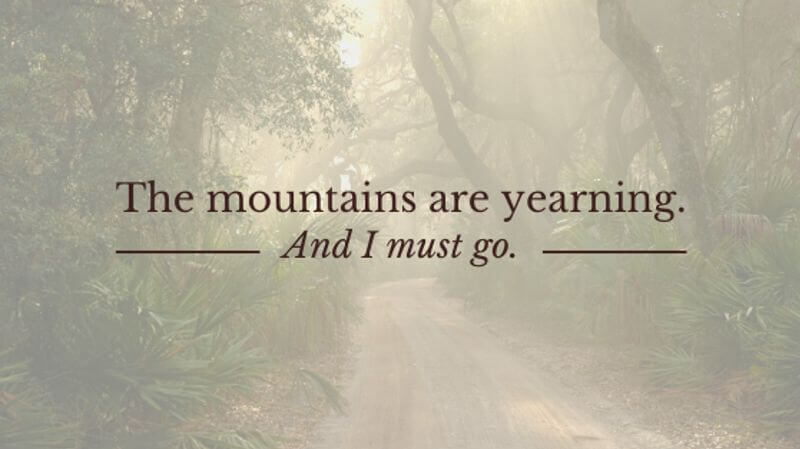
Solitude is defined as the state or situation of being alone. What is it about 2020 and today’s culture that so deeply stigmatizes being alone? As one of the blog writers for Outland Expeditions, Inc., I’ll proudly tell you I’m an INFJ-type (Introverted, intuitive, feeling, judging). If you’re not familiar with Myers-Briggs, there are all sorts of psychology terms floating around that tell us how to be who we are. They’re used to put us in a box and explain our personalities. But in the end, they all tell us the same thing, whether we’re an introvert or an extrovert — all human beings need solitude. Seeking solitude can be a tricky thing in our world, but the search is well worth the rewards.
Everyone — even social butterflies — need time to re-charge so that they can wake up and do life all again the next day. Because of Outland Expeditions’ support of inner well-being, we choose to do our re-charging in nature— specifically on the river. There are some days that guides may have to yell and talk and shake hands, but even our most social creatures need solitude. It’s one of the most basic human needs.
Photo courtesy of Medium
Solo kayaking is a great way to find this solitude, as well as hiking, cross-country running, swimming, gardening, photography, and even golf. In the midst of trying to be the loudest, never forget to listen. Never forget to REFLECT.
As Jean-Paul Sartre once said, “If you’re lonely when you’re alone, you must be in bad company.”
Outland offers some smaller excursions that may interest you. We’d love to give you some solo time to help you in your search for solitude.
productivity, loneliness, solitude, emotion, therapy, creativity, god, silence, spirituality, fear, stress, soul, meaning of life, faith, consciousness, university, favorite, brain, prayer, jesus, mind, gratitude, understanding, attention, personal development, behavior, art, society, culture, concept, health, exercise, henry david thoreau, distraction, dream, happiness, peace, noise, experience, music, great commission, reason, anger, beauty, introspection, mindset, disease, community, contentment, meditation, space, english language, thought, latin, feeling, sleep, inner peace, compassion, wisdom, perception, empathy, paul tillich, monk, belongingness, desire, social rejection, login, imagination, coping, memory, life satisfaction, stress management, boredom, solitary confinement, science, spend, subscribe, beneficial, articles, studies, security, psychological, social isolation, chapter, thoughts, poverty
Frequently Asked Questions
Can seeking solitude enhance creative thinking and ideas?
Seeking solitude can enhance creative thinking and ideas. By providing an uninterrupted space for reflection and self-discovery, solitude allows individuals to access deeper thoughts and inspirations, ultimately fostering creativity and innovation.
What are the differences between seeking solitude and social isolation?
The differences between seeking solitude and social isolation are significant. Seeking solitude is a conscious choice to retreat into nature for reflection and rejuvenation, while social isolation is often an involuntary state leading to feelings of loneliness and disconnection.
Can seeking solitude improve ones problem-solving skills?
Seeking solitude can enhance problem-solving skills by allowing individuals to think deeply and reflect without distractions. This focused environment fosters creativity and clarity, ultimately leading to more effective solutions and innovative ideas.
Is solitude essential for creatives and artists to thrive?
Solitude is essential for creatives and artists to thrive. It provides the necessary space for reflection, inspiration, and deep focus, allowing individuals to connect with their inner thoughts and emotions, ultimately fostering originality and creative expression.
How does seeking solitude impact creativity?
Seeking solitude positively impacts creativity by providing individuals with the necessary space to reflect and think independently. This lack of distractions fosters deep concentration, allowing creative ideas to emerge and develop more freely.
Can seeking solitude help in reducing stress and anxiety?
Seeking solitude can significantly help in reducing stress and anxiety. Spending time alone in nature allows for reflection and rejuvenation, promoting mental clarity and emotional balance.
How does seeking solitude improve self-awareness and reflection?
Seeking solitude enhances self-awareness and reflection by providing a quiet space to process thoughts and emotions, allowing individuals to connect deeply with their inner selves and gain clarity on personal values and experiences.
What is the purpose of seeking solitude in a busy life?
The purpose of seeking solitude in a busy life is to recharge mentally and emotionally, allowing for self-reflection and enhancing creativity. It offers a much-needed escape from distractions, promoting inner peace and a deeper connection with nature.
Can seeking solitude benefit mental health?
Seeking solitude can significantly benefit mental health. It offers a chance for introspection, reduces stress, and helps individuals recharge, leading to improved emotional well-being and greater clarity in thought.
What are the advantages of seeking solitude?
The advantages of seeking solitude include enhanced self-reflection, reduced stress, and a deeper connection with nature. It allows individuals to recharge mentally and emotionally, fostering creativity and personal growth while enjoying the tranquility of the outdoors.
What are the spiritual benefits of seeking solitude regularly?
The spiritual benefits of seeking solitude regularly include enhanced self-awareness, deeper introspection, and a greater connection to nature. This dedicated time alone fosters mindfulness and clarity, allowing individuals to rejuvenate their spirits and discover inner peace.
What are the benefits of seeking solitude daily?
The benefits of seeking solitude daily include enhanced mental clarity, reduced stress, and increased self-awareness. Regular solitude allows individuals to recharge, reflect, and reconnect with nature, fostering a deeper appreciation for personal well-being and the world around them.
How can solitude help with stress relief and relaxation?
Solitude can significantly aid in stress relief and relaxation by allowing individuals to disconnect from daily distractions. It fosters introspection and mindfulness, helping to clear the mind and rejuvenate the spirit amid nature's tranquility.
How can solitude spark innovative ideas?
Solitude can spark innovative ideas by providing an uninterrupted space for deep thinking and reflection, allowing individuals to connect with their inner creativity and gain fresh perspectives on problems and challenges.
What unique insights come from solitude?
The unique insights that come from solitude are a deeper understanding of oneself, enhanced creativity, and a greater appreciation for nature. In solitude, individuals often find clarity in thought and a chance to reconnect with their surroundings.
How does solitude influence artistic expression?
The influence of solitude on artistic expression is significant: it allows artists to deeply engage with their thoughts and emotions, fostering creativity and originality in their work. This reflective environment often leads to more profound insights and unique artistic outcomes.
Can time alone boost cognitive function?
Time alone can indeed boost cognitive function. Solitude allows for deeper focus and reflection, promoting creativity and problem-solving skills, which ultimately enhances mental performance.
What are the mental health perks of solitude?
The mental health perks of solitude include enhanced self-reflection, reduced stress, and improved emotional resilience. Spending time alone fosters creativity and mindfulness, allowing individuals to recharge and gain a deeper understanding of themselves amidst nature's tranquility.
How does solitude foster personal growth?
Solitude fosters personal growth by providing an opportunity for self-reflection and introspection, allowing individuals to connect deeply with their thoughts and emotions, gain clarity about their values, and build confidence in their decision-making.
Why choose solitude over social interaction?
Choosing solitude over social interaction allows for deeper self-reflection, a stronger connection with nature, and the opportunity to recharge away from societal pressures, ultimately fostering personal growth and mental clarity.
How can solitude improve emotional resilience?
Solitude can enhance emotional resilience by allowing individuals time for self-reflection, reducing stress, and fostering independence. This personal space helps to cultivate inner strength, better coping mechanisms, and a deeper connection with one's thoughts and feelings.
What strategies enhance the solitude experience?
Strategies that enhance the solitude experience include selecting serene locations, planning solo outings during off-peak times, disconnecting from technology, and engaging in mindful practices like meditation or journaling to deepen your connection with nature.
Can solitude lead to deeper self-understanding?
Solitude can lead to deeper self-understanding as it creates a space for reflection, allowing individuals to connect with their thoughts and feelings away from distractions. This introspection fosters personal growth and clarity about one's identity and values.
How does nature enhance the solitude experience?
Nature enhances the solitude experience by providing a serene environment that allows individuals to disconnect from daily distractions, leading to deeper self-reflection and rejuvenation. The tranquility of natural surroundings fosters a sense of peace and connection to oneself.
What activities pair well with seeking solitude?
Activities that pair well with seeking solitude include solo kayaking, hiking on tranquil trails, and peaceful nature walks. These experiences allow you to connect with nature and enjoy personal reflection away from the hustle and bustle of everyday life.
How can solitude contribute to mindfulness?
Solitude contributes to mindfulness by creating a peaceful environment that allows individuals to connect deeply with their thoughts and feelings. This quiet reflection enhances self-awareness and promotes a greater appreciation for the present moment.
What cultural perspectives exist on seeking solitude?
Cultural perspectives on seeking solitude vary widely, from viewing it as a necessary path to self-discovery and spiritual growth in some traditions, to seeing it as a luxury or a sign of introversion in others.
How does solitude affect decision-making skills?
Solitude positively affects decision-making skills by allowing individuals to reflect deeply, enhance focus, and reduce external distractions, which ultimately leads to better judgment and more thoughtful choices.
What are common misconceptions about solitude?
Common misconceptions about solitude include the beliefs that it leads to loneliness or sadness; however, many find it to be a source of rejuvenation, self-discovery, and creativity, fostering a deeper connection to nature and oneself.
How can solitude be integrated into daily life?
Integrating solitude into daily life can be achieved by setting aside dedicated time for quiet reflection, engaging in nature walks, or practicing mindfulness exercises. These moments foster personal growth and help recharge your mental energy.
seeking solitude, outland psychology, seeking solitude meaning, what does seeking solitude mean, seek solitude, solitude seeker meaning
Benefits of Solitude in Nature
Solitude in nature offers a myriad of benefits for our mental and emotional well-being. Being alone in the beauty of the natural world allows us to disconnect from the constant noise and distractions of everyday life, giving us a chance to truly relax and recharge. Studies have shown that spending time in nature can reduce stress, improve mood, and enhance cognitive function.
Additionally, solitude in nature provides a space for introspection and self-reflection. It allows us to connect with our inner thoughts and feelings, gaining a deeper understanding of ourselves and our place in the world. Whether it's kayaking on a river, hiking through the mountains, or simply sitting quietly in a garden, seeking solitude in nature can lead to profound personal growth and self-discovery.
Finding Solitude Through Outdoor Activities
There are countless ways to find solitude through outdoor activities, each offering a unique experience of connection with nature and oneself. Solo kayaking, for example, provides a sense of freedom and tranquility as you navigate the waters alone, surrounded by the soothing sounds of nature. Similarly, hiking, cross-country running, swimming, gardening, photography, and golf are all activities that can help you find solitude and peace in different ways.
No matter your preference, the key is to find an outdoor activity that speaks to your soul and allows you to escape the noise and chaos of everyday life. Whether it's a challenging adventure or a simple walk in the woods, embracing solitude in nature can be a powerful tool for increasing mindfulness, reducing stress, and finding inner peace.
productivity, loneliness, solitude, emotion, therapy, creativity, god, silence, spirituality, fear, stress, soul, meaning of life, faith, consciousness, university, favorite, brain, prayer, jesus, mind, gratitude, understanding, attention, personal development, behavior, art, society, culture, concept, health, exercise, henry david thoreau, distraction, dream, happiness, peace, noise, experience, music, great commission, reason, anger, beauty, introspection, mindset, disease, community, contentment, meditation, space, english language, thought, latin, feeling, sleep, inner peace, compassion, wisdom, perception, empathy, paul tillich, monk, belongingness, desire, social rejection, login, imagination, coping, memory, life satisfaction, stress management, boredom, solitary confinement, science, spend, subscribe, beneficial, articles, studies, security, psychological, social isolation, chapter, thoughts, poverty
Frequently Asked Questions
Can seeking solitude enhance creative thinking and ideas?
Seeking solitude can enhance creative thinking and ideas. By providing an uninterrupted space for reflection and self-discovery, solitude allows individuals to access deeper thoughts and inspirations, ultimately fostering creativity and innovation.
What are the differences between seeking solitude and social isolation?
The differences between seeking solitude and social isolation are significant. Seeking solitude is a conscious choice to retreat into nature for reflection and rejuvenation, while social isolation is often an involuntary state leading to feelings of loneliness and disconnection.
Can seeking solitude improve ones problem-solving skills?
Seeking solitude can enhance problem-solving skills by allowing individuals to think deeply and reflect without distractions. This focused environment fosters creativity and clarity, ultimately leading to more effective solutions and innovative ideas.
Is solitude essential for creatives and artists to thrive?
Solitude is essential for creatives and artists to thrive. It provides the necessary space for reflection, inspiration, and deep focus, allowing individuals to connect with their inner thoughts and emotions, ultimately fostering originality and creative expression.
How does seeking solitude impact creativity?
Seeking solitude positively impacts creativity by providing individuals with the necessary space to reflect and think independently. This lack of distractions fosters deep concentration, allowing creative ideas to emerge and develop more freely.
Can seeking solitude help in reducing stress and anxiety?
Seeking solitude can significantly help in reducing stress and anxiety. Spending time alone in nature allows for reflection and rejuvenation, promoting mental clarity and emotional balance.
How does seeking solitude improve self-awareness and reflection?
Seeking solitude enhances self-awareness and reflection by providing a quiet space to process thoughts and emotions, allowing individuals to connect deeply with their inner selves and gain clarity on personal values and experiences.
What is the purpose of seeking solitude in a busy life?
The purpose of seeking solitude in a busy life is to recharge mentally and emotionally, allowing for self-reflection and enhancing creativity. It offers a much-needed escape from distractions, promoting inner peace and a deeper connection with nature.
Can seeking solitude benefit mental health?
Seeking solitude can significantly benefit mental health. It offers a chance for introspection, reduces stress, and helps individuals recharge, leading to improved emotional well-being and greater clarity in thought.
What are the advantages of seeking solitude?
The advantages of seeking solitude include enhanced self-reflection, reduced stress, and a deeper connection with nature. It allows individuals to recharge mentally and emotionally, fostering creativity and personal growth while enjoying the tranquility of the outdoors.
What are the spiritual benefits of seeking solitude regularly?
The spiritual benefits of seeking solitude regularly include enhanced self-awareness, deeper introspection, and a greater connection to nature. This dedicated time alone fosters mindfulness and clarity, allowing individuals to rejuvenate their spirits and discover inner peace.
What are the benefits of seeking solitude daily?
The benefits of seeking solitude daily include enhanced mental clarity, reduced stress, and increased self-awareness. Regular solitude allows individuals to recharge, reflect, and reconnect with nature, fostering a deeper appreciation for personal well-being and the world around them.
How can solitude help with stress relief and relaxation?
Solitude can significantly aid in stress relief and relaxation by allowing individuals to disconnect from daily distractions. It fosters introspection and mindfulness, helping to clear the mind and rejuvenate the spirit amid nature's tranquility.
How can solitude spark innovative ideas?
Solitude can spark innovative ideas by providing an uninterrupted space for deep thinking and reflection, allowing individuals to connect with their inner creativity and gain fresh perspectives on problems and challenges.
What unique insights come from solitude?
The unique insights that come from solitude are a deeper understanding of oneself, enhanced creativity, and a greater appreciation for nature. In solitude, individuals often find clarity in thought and a chance to reconnect with their surroundings.
How does solitude influence artistic expression?
The influence of solitude on artistic expression is significant: it allows artists to deeply engage with their thoughts and emotions, fostering creativity and originality in their work. This reflective environment often leads to more profound insights and unique artistic outcomes.
Can time alone boost cognitive function?
Time alone can indeed boost cognitive function. Solitude allows for deeper focus and reflection, promoting creativity and problem-solving skills, which ultimately enhances mental performance.
What are the mental health perks of solitude?
The mental health perks of solitude include enhanced self-reflection, reduced stress, and improved emotional resilience. Spending time alone fosters creativity and mindfulness, allowing individuals to recharge and gain a deeper understanding of themselves amidst nature's tranquility.
How does solitude foster personal growth?
Solitude fosters personal growth by providing an opportunity for self-reflection and introspection, allowing individuals to connect deeply with their thoughts and emotions, gain clarity about their values, and build confidence in their decision-making.
Why choose solitude over social interaction?
Choosing solitude over social interaction allows for deeper self-reflection, a stronger connection with nature, and the opportunity to recharge away from societal pressures, ultimately fostering personal growth and mental clarity.
How can solitude improve emotional resilience?
Solitude can enhance emotional resilience by allowing individuals time for self-reflection, reducing stress, and fostering independence. This personal space helps to cultivate inner strength, better coping mechanisms, and a deeper connection with one's thoughts and feelings.
What strategies enhance the solitude experience?
Strategies that enhance the solitude experience include selecting serene locations, planning solo outings during off-peak times, disconnecting from technology, and engaging in mindful practices like meditation or journaling to deepen your connection with nature.
Can solitude lead to deeper self-understanding?
Solitude can lead to deeper self-understanding as it creates a space for reflection, allowing individuals to connect with their thoughts and feelings away from distractions. This introspection fosters personal growth and clarity about one's identity and values.
How does nature enhance the solitude experience?
Nature enhances the solitude experience by providing a serene environment that allows individuals to disconnect from daily distractions, leading to deeper self-reflection and rejuvenation. The tranquility of natural surroundings fosters a sense of peace and connection to oneself.
What activities pair well with seeking solitude?
Activities that pair well with seeking solitude include solo kayaking, hiking on tranquil trails, and peaceful nature walks. These experiences allow you to connect with nature and enjoy personal reflection away from the hustle and bustle of everyday life.
How can solitude contribute to mindfulness?
Solitude contributes to mindfulness by creating a peaceful environment that allows individuals to connect deeply with their thoughts and feelings. This quiet reflection enhances self-awareness and promotes a greater appreciation for the present moment.
What cultural perspectives exist on seeking solitude?
Cultural perspectives on seeking solitude vary widely, from viewing it as a necessary path to self-discovery and spiritual growth in some traditions, to seeing it as a luxury or a sign of introversion in others.
How does solitude affect decision-making skills?
Solitude positively affects decision-making skills by allowing individuals to reflect deeply, enhance focus, and reduce external distractions, which ultimately leads to better judgment and more thoughtful choices.
What are common misconceptions about solitude?
Common misconceptions about solitude include the beliefs that it leads to loneliness or sadness; however, many find it to be a source of rejuvenation, self-discovery, and creativity, fostering a deeper connection to nature and oneself.
How can solitude be integrated into daily life?
Integrating solitude into daily life can be achieved by setting aside dedicated time for quiet reflection, engaging in nature walks, or practicing mindfulness exercises. These moments foster personal growth and help recharge your mental energy.
seeking solitude, outland psychology, seeking solitude meaning, what does seeking solitude mean, seek solitude, solitude seeker meaning
Benefits of Solitude in Nature
Solitude in nature offers a myriad of benefits for our mental and emotional well-being. Being alone in the beauty of the natural world allows us to disconnect from the constant noise and distractions of everyday life, giving us a chance to truly relax and recharge. Studies have shown that spending time in nature can reduce stress, improve mood, and enhance cognitive function.
Additionally, solitude in nature provides a space for introspection and self-reflection. It allows us to connect with our inner thoughts and feelings, gaining a deeper understanding of ourselves and our place in the world. Whether it's kayaking on a river, hiking through the mountains, or simply sitting quietly in a garden, seeking solitude in nature can lead to profound personal growth and self-discovery.
Finding Solitude Through Outdoor Activities
There are countless ways to find solitude through outdoor activities, each offering a unique experience of connection with nature and oneself. Solo kayaking, for example, provides a sense of freedom and tranquility as you navigate the waters alone, surrounded by the soothing sounds of nature. Similarly, hiking, cross-country running, swimming, gardening, photography, and golf are all activities that can help you find solitude and peace in different ways.
No matter your preference, the key is to find an outdoor activity that speaks to your soul and allows you to escape the noise and chaos of everyday life. Whether it's a challenging adventure or a simple walk in the woods, embracing solitude in nature can be a powerful tool for increasing mindfulness, reducing stress, and finding inner peace.