Whitewater rafting is more than an adventurous sport: it represents the evolution of river rafting used by Native Americans and explorers throughout the history of North America. Rafting, as we know it today, has many components that have led to its current iteration. Here are five significant time periods in whitewater rafting history:
Before 1810
For about 15,000 years, the Nez Perce and other Native American tribes lived along the Columbia River and the Snake River. Because the Columbia River and Snake River were an essential food source for the tribes, they developed the skills and equipment necessary to float on the rivers.
During the Lewis and Clark expedition in the early 1800s, the Nez Perce living along the Clearwater River in Idaho were the ones who provided the explorers with boats and guides for their explorations. Their river rafting trip from Idaho to the Pacific Ocean took about two months.
The 1800s
The first rubber raft used for exploration was used by John C. Fremont for an expedition through Kansas and Nebraska. The rubber raft performed well, although it flipped twice during the expedition due to being overloaded with equipment. Fremont later wrote that had he used wooden boats, they would have been destroyed while the rubber of the raft had “preserved her from every shock.”
One of the earliest whitewater rafting trips occurred in 1869 when John W. Powell led a rafting expedition to explore the Green and Colorado Rivers. Powell’s expedition used wooden boats to ride the Green River rapids in Wyoming all the way down to the Colorado River rapids in the Grand Canyon in Arizona.
1900 Through 1950
Attempts to commercialize river rafting began in earnest around World War II. The first commercial white water rafting trips occurred along the Salmon River in Idaho. The rafting company used surplus rubber rafts from the war to traverse the rapids safely. River rafting slowly grew in popularity through the 1940s, primarily among outdoor enthusiasts and adventurers.
The 1950s and 1960s
The American Whitewater Affiliation was founded in 1954 to promote white water rafting as a sport and preserve wilderness areas for rafting. The group developed the classification system used to rate the difficulty of rivers for rafting. The classifications range from I through VI, with Class I being the easiest and Class VI being the hardest.
Class I: Fast moving water with riffles and small waves.
Class II: Straightforward rapids with wide, clear channels which are evident without scouting.
Class III: Rapids with moderate, irregular waves which can swamp an open canoe and may be difficult to avoid.
Class IV: Intense, powerful but predictable rapids requiring precise boat handling in turbulent water.
Class V: Extremely long, obstructed, or very violent rapids which expose a paddler to added risk.
Class VI: These runs have almost never been attempted and often exemplify the extremes of difficulty, unpredictability, and danger.
These classifications are still in use today, although they differ from the international scale used outside the United States.
1970s through 1990s
Whitewater rafting history and
events grew as an adrenaline sport throughout the 1960s and became Olympic events in 1972. While the subsequent four Olympics retained flat water canoeing, white water events disappeared from the Olympics until the 1992 Olympics in Barcelona. Since 1992, white water canoeing and kayaking have been included in every Olympic games.
The Ocoee River venue used for the 1996 Olympics in Atlanta is unique in several ways. First, it is the only natural waterway used for Olympic whitewater competition. This makes the Ocoee River one of the unique places to go white water rafting.
Second, although Atlanta hosted the games, the upper Ocoee River used for the Olympics lies in Tennessee, making this “Atlanta” venue one of the best places to go white water rafting in Tennessee. This segment of the Ocoee River is open to the public for white water rafting and features class III and IV rapids.
Third, the middle Ocoee River is one of the most popular places to go white water rafting in the country. The Ocoee River drops over 1,300 feet in elevation from its source to its mouth. This segment of the Ocoee River includes class III and IV rapids providing near-continuous action over a five-mile stretch.
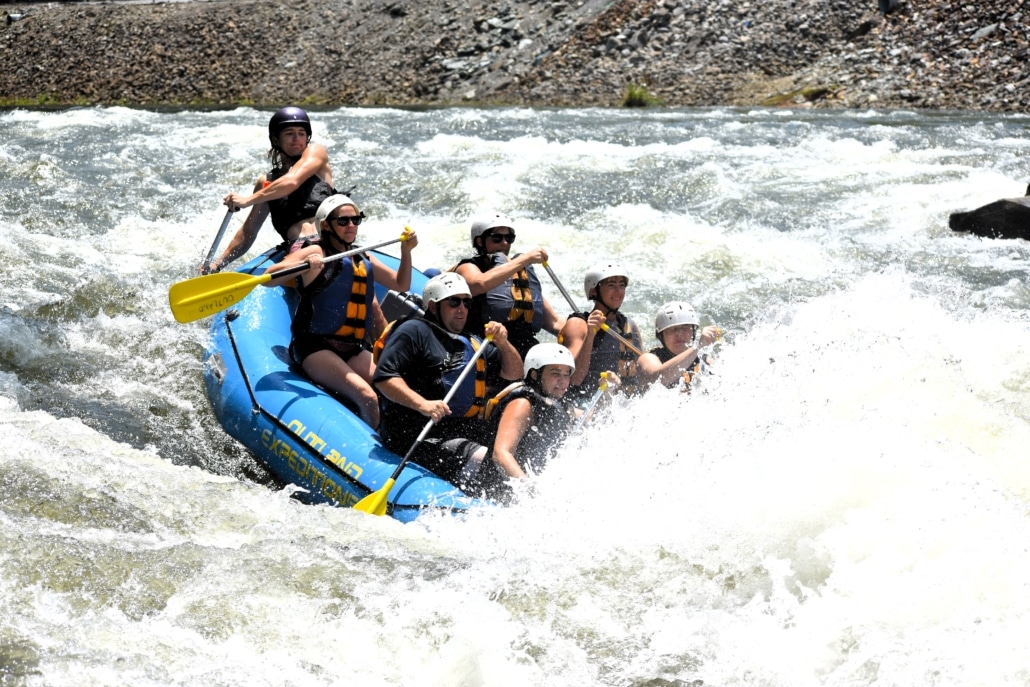
In sum, the Ocoee River is one of the best places to go white water rafting. It combines the explorer and adventurer spirit from history with the thrill sports of today. When you’re ready to book a whitewater rafting adventure with the best, rely on Outland Expeditions for your next water excursion.
https://www.outlandexpeditions.com/wp-content/uploads/2023/06/aiden11-scaled.jpg17072560Dakota Davishttps://www.outlandexpeditions.com/wp-content/uploads/2023/10/Outland-Expeditions-Logo.webpDakota Davis2023-06-23 12:45:342023-11-28 02:20:43Whitewater Rafting History
0replies
Leave a Reply
Want to join the discussion? Feel free to contribute!
raft, whitewater, chattahoochee river, nantahala river, chattooga river, river, georgia, rapids, zip line, nantahala national forest, nantahala outdoor center, great smoky mountains, blue ridge mountains, paddle, canoe, bull sluice, cherokee national forest, pigeon river, american river, national wild and scenic rivers system, south fork american river, canyon, dam, salmon river, wilderness, tuolumne river, national park service, grand canyon, colorado river, north america, rogue river, outfitter, mountain, whitewater river, oregon, hiking, utah, boat, yosemite national park, vacation, sierra nevada, middle fork american river, klamath river, kern river, snake river, green river, fish, salmon, lake tahoe, adventure travel, campsite, bureau of land management, dinosaur national monument, gates of lodore, grand canyon national park, cherry creek, new mexico, white water rafting america, history of white water rafting, rocky mountains, international scale of river difficulty, grand teton national park, sport, outdoor recreation, john wesley powell, lewis and clark expedition, idaho, canoe slalom, wyoming, oar, horace, snake river canyon, columbia river, platte river, nez perce, extreme sport, native americans, mad river, water, exploration, adventure, arkansas river, resort, flood
Frequently Asked Questions
Can beginners go rafting in Atlanta?
Beginners can definitely go rafting in Atlanta. Many local outfitters offer guided trips specifically designed for novice rafters, ensuring a safe and enjoyable experience on the water.
What are the most popular white water rafting tours in America?
The most popular whitewater rafting tours in America include the Ocoee River in Tennessee, the Colorado River through the Grand Canyon, the Gauley River in West Virginia, and the Salmon River in Idaho, each offering thrilling experiences for adventurers.
Can I go white water rafting in America without a guide?
Whitewater rafting in America without a guide is generally not recommended. Many rivers, including popular ones like the Ocoee River, require experienced guides for safety and navigation, especially in challenging conditions.
What safety gear is required for white water rafting in America?
The safety gear required for whitewater rafting in America includes a properly fitted life jacket, a helmet, and appropriate footwear. Additionally, paddles and safety ropes are essential for ensuring a safe and enjoyable rafting experience.
Are there any guided rafting tours available?
Guided rafting tours are available through Outland Expeditions, offering an exciting and safe way to experience the Ocoee River's thrilling rapids while being led by experienced professionals.
What are the best white water rafting spots in America?
The best white water rafting spots in America include the Ocoee River in Tennessee, the Colorado River in Arizona, and the Gauley River in West Virginia, each offering thrilling rapids and breathtaking scenery for adventurers.
Where can I find beginner-friendly white water rafting in America?
Beginner-friendly whitewater rafting can be found in several locations across America, including the Ocoee River in Tennessee, the New River in West Virginia, and the Colorado River in Arizona, all offering guided trips suitable for novices.
How safe is whitewater rafting in Atlanta?
The safety of whitewater rafting in Atlanta is high when conducted with experienced guides and proper safety equipment. Rafting companies prioritize safety protocols to ensure a secure and enjoyable experience on the water.
What are the rafting difficulty levels in Atlanta?
The rafting difficulty levels in Atlanta vary from Class I (easy) to Class V (extremely difficult), catering to all skill levels and ensuring a safe and enjoyable experience for both beginners and experienced rafters.
Can I rent rafting gear in Atlanta?
Renting rafting gear in Atlanta is possible, but options may be limited. It's best to check local outdoor shops or rental companies for availability before planning your adventure.
What are the top white water rafting rivers in America?
The top whitewater rafting rivers in America include the Colorado River in the Grand Canyon, the Gauley River in West Virginia, the Ocoee River in Tennessee, and the Salmon River in Idaho, each offering thrilling experiences for adventurers.
What age is suitable for rafting in Atlanta?
The suitable age for rafting in Atlanta typically starts at around 8 years old, depending on the specific river conditions and the outfitter's guidelines. Always check with your rafting provider for their age requirements and safety policies.
How are guided rafting tours structured?
Guided rafting tours are structured to include a safety briefing, equipment fitting, and a guided experience on the river, ensuring participants enjoy thrilling rapids while learning about the Ocoee River's history and environment.
What is required for whitewater rafting certification?
The requirements for whitewater rafting certification include completing a recognized training course, demonstrating proficiency in rafting techniques, and passing a safety assessment. Additionally, participants may need to meet age and health criteria set by the certifying organization.
What local laws apply to rafting in Georgia?
Local laws that apply to rafting in Georgia include regulations on safety equipment, age restrictions for participants, and licensing requirements for outfitters. It’s essential for rafters to adhere to these laws to ensure a safe and enjoyable experience.
How can I prepare for a rafting trip?
Preparing for a rafting trip involves ensuring you have the right gear, such as a life jacket and appropriate clothing, as well as understanding safety instructions and the river conditions. Staying hydrated and bringing snacks is also essential.
What types of rafting trips are offered in America?
The types of rafting trips offered in America include thrilling whitewater adventures, scenic float trips, family-friendly excursions, and multi-day expeditions, catering to various skill levels and preferences across diverse rivers and landscapes.
Are there family-friendly rafting options in Atlanta?
Family-friendly rafting options are available in Atlanta. Many local outfitters offer guided trips suitable for all ages, providing a fun and safe experience for families looking to enjoy the thrill of whitewater rafting together.
What weather conditions are best for rafting?
The best weather conditions for rafting are mild temperatures, typically between 60°F and 80°F, with clear skies and low wind. These conditions enhance safety and enjoyment on the water, making for an ideal rafting experience.
What is the length of Ocoee River rafting trips?
The length of Ocoee River rafting trips varies, typically ranging from 5 to 6 hours, depending on the specific package and water conditions. This duration includes time for safety briefings, on-water rafting, and breaks.
How do I choose a rafting guide?
Choosing a rafting guide involves considering their experience, certifications, and knowledge of the river. Look for guides who prioritize safety, have strong communication skills, and can tailor the experience to your group’s skill level and preferences.
What should I wear for white water rafting?
What to wear for whitewater rafting includes quick-drying clothing, a swimsuit, and water shoes. Don't forget to bring a hat and sunglasses for sun protection, along with a waterproof jacket if the weather is cool.
How many people can fit in a rafting boat?
The capacity of a rafting boat typically ranges from 4 to 8 people, depending on the size and type of the raft. This ensures a safe and enjoyable experience on the water.
What is the minimum age for rafting in America?
The minimum age for rafting in America generally ranges from 6 to 12 years, depending on the river and the rafting company. It's best to check with your specific outfitter for their age requirements.
Are there rafting competitions held in Atlanta?
Rafting competitions are not typically held in Atlanta itself, as the city lacks suitable whitewater venues. However, nearby rivers, such as the Ocoee River, host various rafting events and competitions throughout the year.
What are common white water rafting injuries?
Common whitewater rafting injuries include sprains, fractures, and bruises, often resulting from collisions with rocks, falls from the raft, or improper paddling techniques. Awareness and safety precautions can help minimize these risks during your adventure.
How have rafting techniques evolved over time?
Rafting techniques have evolved significantly over time, transitioning from basic, traditional methods to advanced, safety-focused practices. Innovations in equipment and training have enhanced both the experience and safety of rafters on challenging rivers like the Ocoee.
What environmental impacts does rafting have?
The environmental impacts of rafting include potential disturbances to local wildlife, soil erosion, and water quality changes. However, responsible rafting practices can minimize these effects and promote conservation efforts along river ecosystems.
What wildlife might I see while rafting?
The wildlife you might see while rafting includes diverse species such as deer, otters, various birds like herons and eagles, and even the occasional black bear along the banks of the Ocoee River.
How to stay safe during a rafting trip?
Staying safe during a rafting trip involves wearing a properly fitted life jacket, following your guide's instructions, and being aware of your surroundings. Always ensure that your equipment is in good condition and stay calm in case of unexpected situations.
snake river american whitewater, upper ocoee american whitewater, white water rafting history, history of white water rafting, white water rafting nebraska, history of whitewater rafting, american whitewater expeditions, history of rafting, columbia white water rafting, is white water rafting an olympic sport, lewis and clark whitewater rafting, when did white water rafting became an olympic sport, white water rafting near atlanta, raft one ocoee, white water rafting atlanta, rubber rafting, columbia river white water rafting, olympic white water rafting, what is whitewater rafting, native american raft, facts about white water rafting, when did white water rafting become an olympic sport, ocoee river american whitewater, water rafting atlanta, american adventure rafting, 19th century, grand canyon rapids classification, class vi white water rafting, whitewater america, usa white water rafting, white water rafting america, whitewater history, atlanta rafting, who invented whitewater rafting, white water rafting by season, rafting america, interesting facts about white water rafting, whitewater expedition, is white water rafting in the olympics, is rafting in the olympics, is rafting a sport
Evolution of Whitewater Rafting Gear
One significant aspect of the history of whitewater rafting is the evolution of gear and equipment used for this adventurous sport. In the early days, Native American tribes used wooden boats and equipment made from natural materials to navigate the rivers. As technology advanced, rubber rafts became the norm for river expeditions due to their durability and flexibility. Today, modern rafts are made from high-quality materials that are designed to withstand the rigors of navigating challenging whitewater rapids.
Along with improvements in raft materials, safety gear has also evolved over time. Helmets, life jackets, and paddles are essential tools for any whitewater rafting adventure. The development of high-quality safety gear has helped minimize the risks associated with rafting, making it a safer and more enjoyable experience for enthusiasts of all skill levels.
Impact of Whitewater Rafting on Tourism
Whitewater rafting has had a significant impact on tourism in many regions around the world. Popular whitewater destinations attract thousands of visitors each year, boosting local economies and supporting small businesses. River towns and outfitters often rely on rafting tourism as a major source of income, offering guided trips, rentals, and other services to adventure seekers.
In addition to economic benefits, whitewater rafting also promotes environmental conservation efforts. By raising awareness about the importance of protecting rivers and natural habitats, rafting enthusiasts and organizations contribute to the preservation of wilderness areas. Many rafting companies also engage in sustainability practices to minimize their impact on the environment, ensuring that future generations can continue to enjoy the thrill of whitewater adventures.
raft, whitewater, chattahoochee river, nantahala river, chattooga river, river, georgia, rapids, zip line, nantahala national forest, nantahala outdoor center, great smoky mountains, blue ridge mountains, paddle, canoe, bull sluice, cherokee national forest, pigeon river, american river, national wild and scenic rivers system, south fork american river, canyon, dam, salmon river, wilderness, tuolumne river, national park service, grand canyon, colorado river, north america, rogue river, outfitter, mountain, whitewater river, oregon, hiking, utah, boat, yosemite national park, vacation, sierra nevada, middle fork american river, klamath river, kern river, snake river, green river, fish, salmon, lake tahoe, adventure travel, campsite, bureau of land management, dinosaur national monument, gates of lodore, grand canyon national park, cherry creek, new mexico, white water rafting america, history of white water rafting, rocky mountains, international scale of river difficulty, grand teton national park, sport, outdoor recreation, john wesley powell, lewis and clark expedition, idaho, canoe slalom, wyoming, oar, horace, snake river canyon, columbia river, platte river, nez perce, extreme sport, native americans, mad river, water, exploration, adventure, arkansas river, resort, flood
Frequently Asked Questions
Can beginners go rafting in Atlanta?
Beginners can definitely go rafting in Atlanta. Many local outfitters offer guided trips specifically designed for novice rafters, ensuring a safe and enjoyable experience on the water.
What are the most popular white water rafting tours in America?
The most popular whitewater rafting tours in America include the Ocoee River in Tennessee, the Colorado River through the Grand Canyon, the Gauley River in West Virginia, and the Salmon River in Idaho, each offering thrilling experiences for adventurers.
Can I go white water rafting in America without a guide?
Whitewater rafting in America without a guide is generally not recommended. Many rivers, including popular ones like the Ocoee River, require experienced guides for safety and navigation, especially in challenging conditions.
What safety gear is required for white water rafting in America?
The safety gear required for whitewater rafting in America includes a properly fitted life jacket, a helmet, and appropriate footwear. Additionally, paddles and safety ropes are essential for ensuring a safe and enjoyable rafting experience.
Are there any guided rafting tours available?
Guided rafting tours are available through Outland Expeditions, offering an exciting and safe way to experience the Ocoee River's thrilling rapids while being led by experienced professionals.
What are the best white water rafting spots in America?
The best white water rafting spots in America include the Ocoee River in Tennessee, the Colorado River in Arizona, and the Gauley River in West Virginia, each offering thrilling rapids and breathtaking scenery for adventurers.
Where can I find beginner-friendly white water rafting in America?
Beginner-friendly whitewater rafting can be found in several locations across America, including the Ocoee River in Tennessee, the New River in West Virginia, and the Colorado River in Arizona, all offering guided trips suitable for novices.
How safe is whitewater rafting in Atlanta?
The safety of whitewater rafting in Atlanta is high when conducted with experienced guides and proper safety equipment. Rafting companies prioritize safety protocols to ensure a secure and enjoyable experience on the water.
What are the rafting difficulty levels in Atlanta?
The rafting difficulty levels in Atlanta vary from Class I (easy) to Class V (extremely difficult), catering to all skill levels and ensuring a safe and enjoyable experience for both beginners and experienced rafters.
Can I rent rafting gear in Atlanta?
Renting rafting gear in Atlanta is possible, but options may be limited. It's best to check local outdoor shops or rental companies for availability before planning your adventure.
What are the top white water rafting rivers in America?
The top whitewater rafting rivers in America include the Colorado River in the Grand Canyon, the Gauley River in West Virginia, the Ocoee River in Tennessee, and the Salmon River in Idaho, each offering thrilling experiences for adventurers.
What age is suitable for rafting in Atlanta?
The suitable age for rafting in Atlanta typically starts at around 8 years old, depending on the specific river conditions and the outfitter's guidelines. Always check with your rafting provider for their age requirements and safety policies.
How are guided rafting tours structured?
Guided rafting tours are structured to include a safety briefing, equipment fitting, and a guided experience on the river, ensuring participants enjoy thrilling rapids while learning about the Ocoee River's history and environment.
What is required for whitewater rafting certification?
The requirements for whitewater rafting certification include completing a recognized training course, demonstrating proficiency in rafting techniques, and passing a safety assessment. Additionally, participants may need to meet age and health criteria set by the certifying organization.
What local laws apply to rafting in Georgia?
Local laws that apply to rafting in Georgia include regulations on safety equipment, age restrictions for participants, and licensing requirements for outfitters. It’s essential for rafters to adhere to these laws to ensure a safe and enjoyable experience.
How can I prepare for a rafting trip?
Preparing for a rafting trip involves ensuring you have the right gear, such as a life jacket and appropriate clothing, as well as understanding safety instructions and the river conditions. Staying hydrated and bringing snacks is also essential.
What types of rafting trips are offered in America?
The types of rafting trips offered in America include thrilling whitewater adventures, scenic float trips, family-friendly excursions, and multi-day expeditions, catering to various skill levels and preferences across diverse rivers and landscapes.
Are there family-friendly rafting options in Atlanta?
Family-friendly rafting options are available in Atlanta. Many local outfitters offer guided trips suitable for all ages, providing a fun and safe experience for families looking to enjoy the thrill of whitewater rafting together.
What weather conditions are best for rafting?
The best weather conditions for rafting are mild temperatures, typically between 60°F and 80°F, with clear skies and low wind. These conditions enhance safety and enjoyment on the water, making for an ideal rafting experience.
What is the length of Ocoee River rafting trips?
The length of Ocoee River rafting trips varies, typically ranging from 5 to 6 hours, depending on the specific package and water conditions. This duration includes time for safety briefings, on-water rafting, and breaks.
How do I choose a rafting guide?
Choosing a rafting guide involves considering their experience, certifications, and knowledge of the river. Look for guides who prioritize safety, have strong communication skills, and can tailor the experience to your group’s skill level and preferences.
What should I wear for white water rafting?
What to wear for whitewater rafting includes quick-drying clothing, a swimsuit, and water shoes. Don't forget to bring a hat and sunglasses for sun protection, along with a waterproof jacket if the weather is cool.
How many people can fit in a rafting boat?
The capacity of a rafting boat typically ranges from 4 to 8 people, depending on the size and type of the raft. This ensures a safe and enjoyable experience on the water.
What is the minimum age for rafting in America?
The minimum age for rafting in America generally ranges from 6 to 12 years, depending on the river and the rafting company. It's best to check with your specific outfitter for their age requirements.
Are there rafting competitions held in Atlanta?
Rafting competitions are not typically held in Atlanta itself, as the city lacks suitable whitewater venues. However, nearby rivers, such as the Ocoee River, host various rafting events and competitions throughout the year.
What are common white water rafting injuries?
Common whitewater rafting injuries include sprains, fractures, and bruises, often resulting from collisions with rocks, falls from the raft, or improper paddling techniques. Awareness and safety precautions can help minimize these risks during your adventure.
How have rafting techniques evolved over time?
Rafting techniques have evolved significantly over time, transitioning from basic, traditional methods to advanced, safety-focused practices. Innovations in equipment and training have enhanced both the experience and safety of rafters on challenging rivers like the Ocoee.
What environmental impacts does rafting have?
The environmental impacts of rafting include potential disturbances to local wildlife, soil erosion, and water quality changes. However, responsible rafting practices can minimize these effects and promote conservation efforts along river ecosystems.
What wildlife might I see while rafting?
The wildlife you might see while rafting includes diverse species such as deer, otters, various birds like herons and eagles, and even the occasional black bear along the banks of the Ocoee River.
How to stay safe during a rafting trip?
Staying safe during a rafting trip involves wearing a properly fitted life jacket, following your guide's instructions, and being aware of your surroundings. Always ensure that your equipment is in good condition and stay calm in case of unexpected situations.
snake river american whitewater, upper ocoee american whitewater, white water rafting history, history of white water rafting, white water rafting nebraska, history of whitewater rafting, american whitewater expeditions, history of rafting, columbia white water rafting, is white water rafting an olympic sport, lewis and clark whitewater rafting, when did white water rafting became an olympic sport, white water rafting near atlanta, raft one ocoee, white water rafting atlanta, rubber rafting, columbia river white water rafting, olympic white water rafting, what is whitewater rafting, native american raft, facts about white water rafting, when did white water rafting become an olympic sport, ocoee river american whitewater, water rafting atlanta, american adventure rafting, 19th century, grand canyon rapids classification, class vi white water rafting, whitewater america, usa white water rafting, white water rafting america, whitewater history, atlanta rafting, who invented whitewater rafting, white water rafting by season, rafting america, interesting facts about white water rafting, whitewater expedition, is white water rafting in the olympics, is rafting in the olympics, is rafting a sport
Evolution of Whitewater Rafting Gear
One significant aspect of the history of whitewater rafting is the evolution of gear and equipment used for this adventurous sport. In the early days, Native American tribes used wooden boats and equipment made from natural materials to navigate the rivers. As technology advanced, rubber rafts became the norm for river expeditions due to their durability and flexibility. Today, modern rafts are made from high-quality materials that are designed to withstand the rigors of navigating challenging whitewater rapids.
Along with improvements in raft materials, safety gear has also evolved over time. Helmets, life jackets, and paddles are essential tools for any whitewater rafting adventure. The development of high-quality safety gear has helped minimize the risks associated with rafting, making it a safer and more enjoyable experience for enthusiasts of all skill levels.
Impact of Whitewater Rafting on Tourism
Whitewater rafting has had a significant impact on tourism in many regions around the world. Popular whitewater destinations attract thousands of visitors each year, boosting local economies and supporting small businesses. River towns and outfitters often rely on rafting tourism as a major source of income, offering guided trips, rentals, and other services to adventure seekers.
In addition to economic benefits, whitewater rafting also promotes environmental conservation efforts. By raising awareness about the importance of protecting rivers and natural habitats, rafting enthusiasts and organizations contribute to the preservation of wilderness areas. Many rafting companies also engage in sustainability practices to minimize their impact on the environment, ensuring that future generations can continue to enjoy the thrill of whitewater adventures.



Leave a Reply
Want to join the discussion?Feel free to contribute!