
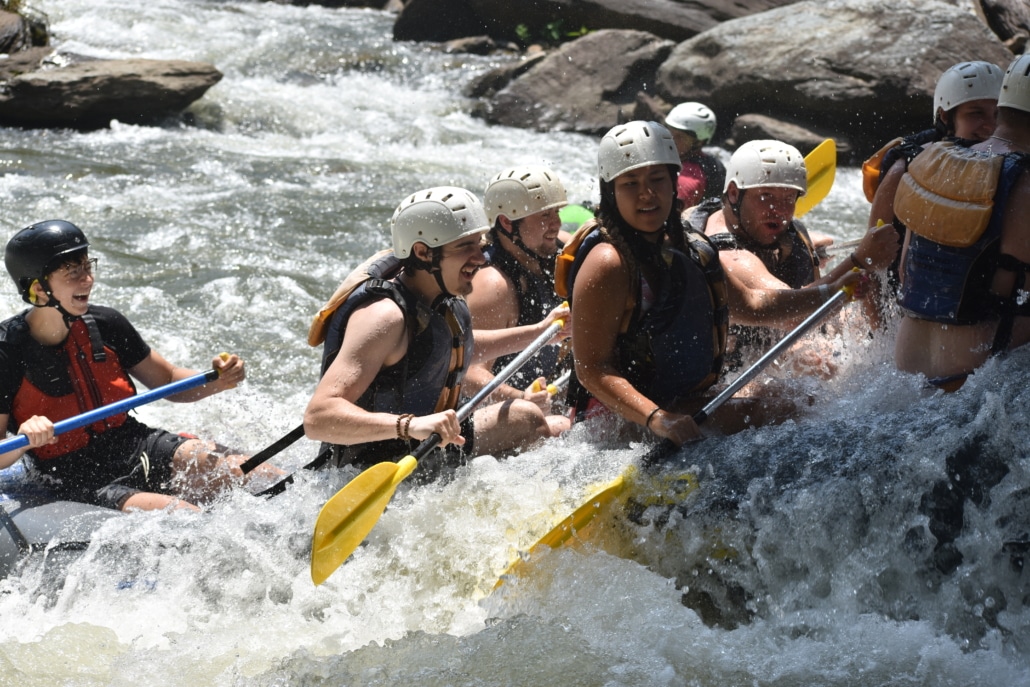
Nervous About Rafting? The Ultimate Guide for First-Timers on the Ocoee
Does the thought of rushing water and crashing waves make your palms sweat? You aren’t alone. It is completely normal to feel a mix of excitement and anxiety before booking your first whitewater rafting trip. In fact, that butterfly feeling is part of the adventure!
At Outland Expeditions, we talk to nervous beginners every single day. The truth is, whitewater rafting is a thrilling experience, but it is also a highly managed one. You don’t need to be an Olympic athlete or a daredevil to enjoy the Ocoee River. You just need the right preparation and a team you can trust.
If you are hesitating to hit the “Book Now” button because of the “what-ifs,” this guide is for you. Let’s break down the myths, the safety realities, and exactly what happens when you paddle out with us.
Is Whitewater Rafting Safe for Beginners?
This is the number one question we hear, and the answer lies in risk management. While no outdoor adventure activity is 100% free of risk, professional rafting is statistically safer than many common activities, such as driving a car or riding a bicycle.
At Outland Expeditions, we mitigate risk through rigorous training and high-quality gear. Every trip is led by a guide who is trained in CPR, First Aid, and swift-water rescue techniques. Our guides know every rock, drop, and wave on the Ocoee River. They steer the boat, shout the commands, and keep an eye on every paddler. Your job is simply to listen and paddle.
We also strictly adhere to safety protocols. We don’t launch if conditions are deemed unsafe, and our equipment is inspected daily. You are not just heading out into the wild alone; you are going with pros who do this for a living.
What If I Fall Out of the Boat?
This is the scenario that plays on a loop in every nervous rafter’s mind. What happens if I fall in?
First, take a deep breath. Falling out is actually relatively rare on commercially guided trips. However, if it does happen, we have a plan.
- You Float: You will be wearing a Type V Personal Flotation Device (PFD). These are not the flimsy orange vests you see on cruise ships; they are high-buoyancy jackets designed to keep your head above water.
- The “Swimmer” Position: In your safety briefing, you will learn to float on your back with your nose and toes pointing up (downstream). This allows you to see where you are going and push off any obstacles with your feet.
- Rescue is Close: Your guide—and other boats in our convoy—will be right there. We are trained to pull you back in quickly using the straps on your life jacket.
Most “swimmers” are back in the boat within seconds, laughing about the refreshing dip!
Do I Need to Be a Strong Swimmer?
You do not need to be Michael Phelps to raft the Ocoee, but you should be comfortable in the water. Since you will be wearing a high-float PFD, you don’t need to tread water to stay afloat.
However, panic is the enemy of safety. If you are terrified of water to the point where getting your face wet causes you to freeze up, rafting might be challenging. But if you can dog-paddle and are willing to float, you are capable of rafting.
If you are a non-swimmer, let your guide know privately before the trip. They can seat you in a more secure spot in the raft and keep a closer eye on you.
What Should I Wear to Stay Comfortable?
Comfort plays a huge role in confidence. If you are cold or chafing, you will be more stressed. The golden rule of river gear is: No Cotton.
Cotton acts like a sponge, soaking up cold water and sticking to your skin, which makes you freeze. Instead, opt for synthetic fabrics like polyester, fleece, or wool.
- Warm Weather: A bathing suit and board shorts are perfect. A synthetic t-shirt (like a rash guard) offers sun protection.
- Cool Weather: We recommend splashing out for a wetsuit or splash jacket rental, especially in the spring or fall.
- Shoes: You need footwear that stays attached. Old tennis shoes, Tevas, or Chacos are great. Flip-flops are forbidden because they will float away in the first rapid.
What Happens Before We Hit the Water?
Uncertainty causes anxiety. Knowing the schedule helps you mentally prepare. Here is the run-of-show at Outland Expeditions:
- Check-In: You arrive at our outpost, sign waivers, and meet the staff.
- Gear Up: We fit you with a helmet, PFD, and paddle. We check to ensure everything is tight and secure.
- The Trip Talk: Before we even get near the water, we gather for a comprehensive safety briefing. We cover paddle commands (“Forward!”, “Back!”, “Hold On!”), how to sit in the boat, and safety procedures.
- Bus Ride: We take a short bus ride to the put-in spot. This is a great time to ask your guide any last-minute questions.
- Practice: Once the boat is in the water, we practice our paddle strokes in calm water before hitting the first rapid.
Why Choose the Ocoee River for Your First Trip?
The Ocoee River is widely considered the best whitewater river in the country for a reason. It offers consistent, dam-controlled water flow, meaning we don’t have to worry about the river being too low or too dangerous due to drought or flood.
The Middle Ocoee features Class III and IV rapids. This is the “Goldilocks” zone for adventure: big enough to be thrilling and get you soaked, but manageable enough for first-timers and families (ages 12+). You get the splash and the adrenaline without the extreme danger of Class V or VI waters.
Conclusion
Being nervous just means you respect the power of the river, and that is a good thing! But don’t let nerves rob you of an experience you will remember for the rest of your life. The feeling of conquering a rapid with your team is unmatched.
At Outland Expeditions, we have guided thousands of nervous first-timers down the Ocoee safely. By the end of the trip, the most nervous guests are usually the ones asking, “When can we go again?”
Ready to conquer your fears and make a splash?
Contact Outland Expeditions Today to Book Your Adventure!
Frequently Asked Questions (FAQ)
Q: Is there a weight limit for rafting?
A: While there is no strict weight limit, all guests must be able to fit securely into our Coast Guard-approved Personal Flotation Devices (PFDs). The maximum chest size for our standard PFDs is typically 56 inches. If you have concerns, feel free to call our office to discuss gear options.
Q: Can I wear my glasses or sunglasses?
A: Yes, but you must secure them. If they aren’t attached to your head, the river will claim them. We recommend using a retaining strap (like Croakies). If you don’t have one, we sell them at our outpost shop.
Q: What happens if it rains?
A: We raft rain or shine! Getting wet is part of the fun. In fact, rafting in the rain can be a magical experience with mist rising off the mountains. We only delay or cancel trips in the event of lightning or severe weather that poses a safety risk.
Q: Can I bring my phone or camera on the raft?
A: We highly recommend leaving phones and non-waterproof cameras in your locked vehicle. There is no dry place on a raft, and the violent motion of the rapids can easily knock devices out of hands or pockets. Outland Expeditions takes photos of your trip that are available for purchase afterward!
Q: How fit do I need to be?
A: You need a basic level of physical fitness. You will need to paddle for extended periods and be able to climb over the side of the raft if necessary. If you have heart conditions, back issues, or are pregnant, we advise against rafting.


Leave a Reply
Want to join the discussion?Feel free to contribute!