
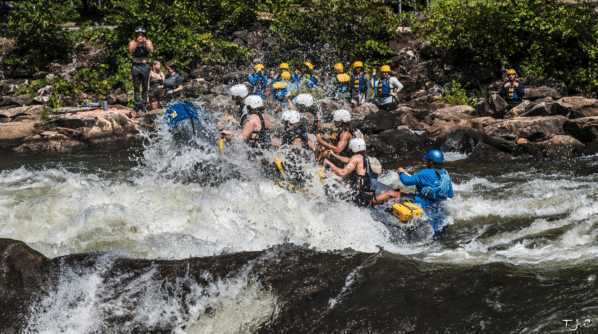
Physical Conditioning Prep for Ocoee River Rafting
Plunging down a roaring Class IV rapid while cold mountain water splashes over your face is one of the most exhilarating experiences on Earth. But if you have ever stood at the edge of a raging river, you know that whitewater rafting is not just a passive amusement park ride. It is an active, fully engaging team sport that requires stamina, core strength, and quick reflexes.
When you sign up for the Full Ocoee River Experience with Outland Expeditions, you are signing up for an epic 10-mile, 6-hour adventure. This trip combines the technical Olympic Upper Ocoee with the continuous waves of the Classic Middle Ocoee. To make sure you enjoy every single moment of those 20+ named rapids, you need to get your body ready for the challenge.
In this comprehensive guide, we will break down exactly how to physically prepare for an Ocoee whitewater trip. We will share targeted exercises, cardiovascular tips, and safety strategies that will help you paddle like a pro. Whether you are a first-time rafter or a seasoned outdoor enthusiast, these preparation steps will ensure you are strong, confident, and ready to conquer the river.
Why Is Physical Prep Crucial for Class III-IV Rapids?
The Ocoee River is a dam-controlled powerhouse flowing through the Cherokee National Forest in Polk County, Tennessee. Because the river drops quickly through a steep mountain gorge, the rapids are continuous and powerful. Unlike calmer float trips, a Class III–IV trip requires active participation from everyone in the boat.
You are not just sitting back and letting the guide do all the work. You are an essential part of the engine that powers the raft through technical drops like Table Saw, Mikey’s, and Hell’s Hole. Your guide will call out commands, and your ability to respond instantly with strong paddle strokes makes all the difference.
Furthermore, staying securely in the raft requires constant active bracing. You will use your core, thighs, and lower body to lock yourself into the boat’s secure positions. If you do not have the physical stamina, your muscles will fatigue quickly, making it harder to keep your balance or paddle effectively as the day goes on.
What Core Muscles Do You Use Most While Rafting?
When people think of paddling, they often assume it is purely an upper-body workout. In reality, efficient paddling power is generated from your core and transferred through your arms into the water. If you only use your arms, you will find yourself exhausted within the first mile of the trip.
Your abdominal muscles, obliques, and lower back act as the stabilizers that keep you upright while the raft moves dynamically beneath you. Every time you twist to plant your paddle in the water, your obliques are doing the heavy lifting. This twisting motion is what allows you to pull the boat forward past obstacles.
Additionally, your quadriceps, hamstrings, and calves are constantly engaged. You will tuck your feet into specialized foot stirrups and brace your knees against the inflated tubes of the raft. This lower-body engagement is what keeps you safely anchored inside the boat when hitting large waves.
How Can I Build Paddling Endurance at Home?
You do not need an expensive gym membership to start building the physical stamina required for an Ocoee River trip. A simple, consistent home workout routine focused on functional fitness will prepare your muscles for the unique demands of the river. Aim to start this routine four to six weeks before your scheduled trip.
Strength Exercises for Whitewater Paddling
To build the muscular endurance needed for a six-hour river day, focus on exercises that target your upper body, core, and legs:
- Planks and Side Planks: These are the gold standard for core stability. Hold a standard forearm plank for 30 to 60 seconds, then transition to side planks to strengthen your obliques.
- Russian Twists: Sit on the floor with your knees bent, lean back slightly, and rotate your torso from side to side. To simulate a paddle, hold a small weight or a heavy book in your hands as you twist.
- Bodyweight Squats and Lunges: These exercises build endurance in your quadriceps and glutes. Strong legs make it much easier to brace your lower body securely inside the raft.
- Push-Ups and Dumbbell Rows: Push-ups strengthen your chest and shoulders, while rows target your upper back. These opposing muscle groups work together to control the paddle in turbulent currents.
What Cardio Training Is Best for a Six-Hour River Trip?
While strength is important, cardiovascular endurance is what keeps you going during the second half of our Full Ocoee River Experience. After paddling the technical Upper Ocoee and taking a break for our freshly prepared lakeside lunch, you will need plenty of energy to tackle the five miles of the Middle Ocoee.
To build the aerobic capacity needed for a full day on the water, incorporate cardiovascular training into your weekly routine. Activities that mimic the sustained, rhythmic nature of paddling are highly effective.
Recommended Cardio Workouts
- Rowing Machine (Ergometer): This is the single best gym machine for rafting preparation. It builds specific upper-back, leg, and core endurance while training your heart.
- Swimming: Swimming laps builds excellent shoulder stamina and lung capacity. It also increases your comfort level in the water, which is a great safety asset.
- High-Intensity Interval Training (HIIT): Whitewater rafting consists of short bursts of intense paddling followed by brief periods of active recovery. HIIT workouts train your cardiovascular system to recover quickly between rapids.
- Trail Hiking: Hiking on uneven terrain builds ankle stability and lower-body strength, which helps with overall balance.
Why Is Active Flexibility and Mobility Important?
Being physically strong is only half the battle; your body also needs to be flexible. Rafting requires you to sit in a semi-flexed position for several hours while twisting, reaching, and reacting to sudden movements of the raft. Tight hips, shoulders, or hamstrings can lead to cramping and discomfort on the water.
Incorporate dynamic stretching and mobility work into your warm-up and cool-down routines. Focus on opening up your hips, stretching your chest, and maintaining a healthy range of motion in your shoulders.
Pro Tip: Spend five to ten minutes stretching your hip flexors, hamstrings, and lower back every day in the weeks leading up to your trip. This simple habit will prevent soreness and allow you to stay comfortable in the boat all day.
How Should I Hydrate and Fuel Before the Trip?
Physical preparation does not stop when you walk out of the gym. What you put into your body in the 24 to 48 hours leading up to your Outland Expeditions trip plays a massive role in how you perform and feel on the river.
Tennessee summers can be incredibly warm, and dehydration is one of the quickest ways to lose muscle strength and focus. Start drinking extra water two days before your trip. On the morning of your departure, eat a balanced breakfast rich in complex carbohydrates and lean protein (like oatmeal with fruit, or eggs and toast) to provide sustained energy.
Between the Upper and Middle sections of the Ocoee, Outland Expeditions provides a full, fresh lakeside lunch to help you refuel. This restorative meal is designed to replenish your energy reserves so you can tackle legendary rapids like Diamond Splitter and Hell’s Hole with maximum strength.
What Safety Skills Should I Know Before Heading Out?
While our certified, Swiftwater Rescue-trained guides are in every raft to keep you safe, being in good physical condition is your personal safety baseline. Understanding basic water safety and knowing what to expect will give you peace of mind and boost your confidence.
If you happen to fall out of the raft—which can happen on Class IV trips—knowing how to swim and follow guide instructions is crucial. You do not need to be an Olympic swimmer, but you should be comfortable in moving water and capable of active self-rescue by swimming toward the boat or the shore when directed.
At the beginning of every Outland Expeditions trip, your guide will conduct a thorough safety briefing. They will teach you proper paddling strokes, how to sit securely, and how to use your Coast Guard-approved Personal Flotation Device (PFD) and helmet. Listening closely to this briefing is just as important as your physical workouts.
Ready to Test Your Strength on the Ocoee River?
By taking the time to build your core strength, boost your cardiovascular endurance, and practice active mobility, you will set yourself up for an unforgettable adventure. Knowing how to physically prepare for an Ocoee whitewater trip ensures that you can focus entirely on the fun, the teamwork, and the breathtaking scenery of the Cherokee National Forest.
Are you ready to experience the ultimate whitewater rush in East Tennessee? The team at Outland Expeditions is ready to guide you through every rapid, wave, and drop on the legendary Ocoee River.
Contact Outland Expeditions today to book your Full Ocoee Experience or ask our adventure coordinators any questions about preparing for your upcoming trip!
Frequently Asked Questions
Does the Full Ocoee Experience require prior rafting experience?
No, prior rafting experience is not required to enjoy the Full Ocoee River Experience with Outland Expeditions. Our highly trained, certified guides will provide a complete paddling and safety briefing before you ever touch the water. However, because this is an intense, six-hour trip on Class III-IV rapids, participants should be comfortable swimmers and in good overall physical condition.
What is the minimum age and weight limit for Ocoee rafting?
To raft the Ocoee River, participants must be at least 12 years old and weigh a minimum of 90 pounds. This rule is strictly enforced to ensure that safety gear, like our Coast Guard-approved life jackets (PFDs), fits securely and can perform correctly in swift water.
What should I wear for a full day on the Ocoee River?
We recommend wearing a swimsuit or quick-dry athletic shorts as your base layer. Avoid cotton clothing, as it absorbs water and stays cold and wet. For footwear, wear secure water shoes or old tennis shoes that can get completely wet; slip-on sandals or flip-flops without heel straps are not allowed on the water.
What happens if I fall out of the raft during a rapid?
If you fall out of the raft, your priority is to remain calm and follow the immediate instructions of your guide. You will adopt the “White Water Floating Position”—on your back, nose and toes pointing up, with your feet pointing downstream to push off any rocks. Your guide or a nearby raft will quickly assist you back into the boat using professional rescue techniques.
Is a lunch provided during the Full Ocoee River Experience?
Yes, a full, fresh riverside lunch is completely included in the price of the Full Ocoee River Experience. We stop between the Upper and Middle sections of the river to let you rest, refuel, dry off, and swap stories before heading out for the second half of your 10-mile whitewater adventure.

Leave a Reply
Want to join the discussion?Feel free to contribute!