
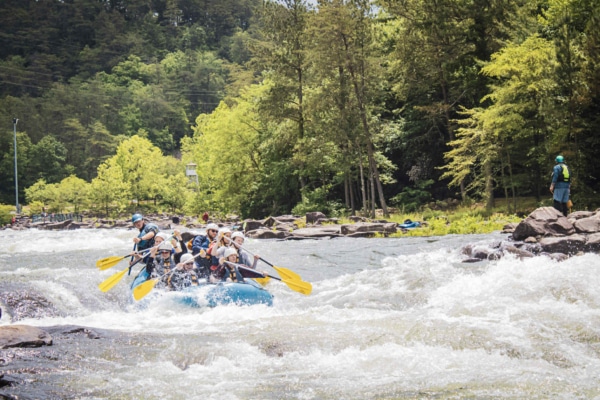
Is Ocoee River Rafting Safe? Everything You Need to Know Before You Paddle
Planning a trip to Tennessee’s Cherokee National Forest often comes with a surge of excitement—and a few lingering questions. If you are looking at the surging waves of the Middle or Upper Ocoee, your first question is almost certainly: is Ocoee River rafting safe?
The short answer is yes, guided whitewater rafting on the Ocoee River is a highly structured, regulated, and safe outdoor sport when enjoyed with a professional outfitter. While Class III and Class IV rapids carry inherent wild risk, commercial rafting companies combine rigorous guide training, top-tier protective equipment, and strict state guidelines to manage those risks effectively.
In this comprehensive guide, we unpack the safety protocols, river mechanics, and expert standards behind Tennessee’s most popular whitewater river. You will learn how professional outfitters like Outland Expeditions protect paddlers on every run, what to expect on the water, and how you can prepare for an unforgettable day.
How Safe Is Whitewater Rafting on the Ocoee River?
When evaluating safety on any body of water, it helps to look at how commercial rafting operates compared to unguided, private recreation. The Ocoee River is recognized nationwide for having one of the strongest safety records among high-volume Class III–IV rivers in North America.
The primary reason for this strong track record is that commercial rafting on the Ocoee is 100% guided. You are never handed a paddle and sent down continuous Class IV rapids on your own. Every single boat that leaves the outpost is captained by a highly trained, certified river guide who knows every rock, eddy, and hydraulic drop on the river.
Furthermore, the Ocoee River is unique because its water flow is controlled by the Tennessee Valley Authority (TVA) through a series of hydroelectric dams. Unlike wild, free-flowing rivers that can flood unpredictably during heavy rains or drop to dangerous shallow trickles during droughts, the Ocoee features controlled water levels during scheduled recreational releases. This predictable volume allows guides to read the river with extreme precision day after day.
Statistically, commercial whitewater rafting carries a lower risk of serious injury than many everyday athletic activities, including mountain biking, downhill skiing, and high school football. When proper protocols are followed, the vast majority of commercial rafting trips end with big smiles, high fives, and incredible memories.
What Qualifications Do Professional Ocoee River Guides Hold?
The single most important safety feature on your raft isn’t a piece of gear—it’s the person sitting in the stern. At Outland Expeditions, river guides undergo an intensive, multi-phase training program long before they ever steer a commercial guest down the river.
Guide candidates complete weeks of hands-on technical river training. They must master high-water navigation, swiftwater rescue techniques, group management, and real-time hydrology. Before taking paying guests, each guide must successfully pass rigorous “check-out” runs evaluated by senior river staff, demonstrating their ability to navigate complex Class IV hydraulics under pressure.
In addition to boat control, professional guides maintain advanced medical and safety credentials. Key certifications held across the guide staff include:
- Wilderness First Responder (WFR) & CPR: Intensive medical training focused on emergency stabilization, trauma assessment, and remote first aid.
- Swiftwater Rescue Certification (SRT): Specialized training in rope systems, dynamic river swimmer recovery, and technical river extraction techniques.
- State & Federal Compliance: Full adherence to Tennessee State Parks and U.S. Forest Service commercial operating mandates.
Your guide’s role goes far beyond steering. They act as clear communicators, coaching you through paddle commands, evaluating your crew’s dynamic, and making split-second safety decisions to ensure everyone stays safe and has a blast.
What Safety Gear Is Required for Ocoee River Rafting?
Top-quality equipment is non-negotiable when paddling commercial whitewater. Outland Expeditions provides commercial-grade, meticulously inspected gear to every guest as part of every trip package—with zero add-on rental fees.
Every rafter is outfitted with three essential pieces of personal protective equipment (PPE) before stepping into a boat:
- Coast Guard–Approved Type V High-Flotation PFD: These are not standard pool life jackets. Type V personal flotation devices are specifically engineered for commercial whitewater, featuring extra flotation panels designed to keep a swimmer’s head above heavily aerated, turbulent water. Each PFD is individually fitted and tightened by your guide prior to launch.
- Impact-Resistant Whitewater Helmet: Lightweight, durable, and equipped with specialized drainage channels, our whitewater helmets protect against overhead obstacles, paddles, and submerged rocks.
- Ergonomic T-Grip Whitewater Paddle: Built from high-strength synthetic materials, these paddles give you maximum leverage while keeping your hands securely positioned during powerful forward strokes.
Beyond personal equipment, every raft is equipped with professional rescue throw bags, perimeter safety lines, and heavy-duty self-bailing floors that rapidly shed water out of the boat during heavy wave hits.
What Are the Age and Physical Requirements for Ocoee Rafting?
To maintain the highest standards of safety, strict physical and legal requirements govern who can raft on the Ocoee River. These guidelines ensure that every participant possesses the physical size and cognitive development necessary to ride safely.
The core requirements include:
- Minimum Age of 12 Years Old: Under Tennessee state law, no child under the age of 12 is permitted on the commercial sections of the Ocoee River. Class III and IV rapids demand a level of physical strength and focus that younger children simply do not have.
- Minimum Weight of 90 Pounds: Guests must weigh at least 90 lbs to ensure that standard Coast Guard–approved high-flotation PFDs fit snugly without slipping over the head during a swim.
- General Physical Fitness: While you do not need to be an Olympic athlete, all participants must be comfortable in water, capable of making synchronized paddle strokes, and able to pull themselves or others back into the boat if necessary.
Prior whitewater experience is not required. Confident first-time paddlers who meet the age and weight thresholds successfully ride the Ocoee River every single weekend!
What Happens If You Fall Out of the Raft?
Falling out of the raft—known in the river community as “taking a swim”—is an inherent possibility in Class III and IV whitewater. While it can feel surprising, it is a routine event that guides and gear are fully prepared to manage.
Before launching, your guide conducts a thorough trip briefing that covers exact swimmer recovery protocols. If you fall into the river, the golden rule is to adopt the Downstream Whitewater Swim Position immediately:
- Flip onto your back: Lie flat with your face pointed up toward the sky.
- Point your feet downstream: Keep your legs extended in front of you with your knees slightly bent and your toes out of the water.
- Use your feet as bumpers: This position allows your heavy water shoes to absorb any impacts with submerged rocks while protecting your head, chest, and spine.
- Never attempt to stand in moving water: Standing in fast current risks foot entrapment between rocks. Always float on your back until you reach calm water or a rescue boat.
In most cases, your guide or a crewmate will extend a paddle T-grip or grab your PFD shoulders to pull you back into the boat within seconds. Trailing safety boats and bank lookouts serve as secondary safety nets along major rapid sequences.
How Does the Middle Ocoee Compare to the Upper Ocoee in Safety?
The Ocoee River offers two distinct commercial sections, which can be run individually or combined into the famous Full Ocoee River Experience. Understanding the difference helps you pick the right adventure for your comfort level.
The Middle Ocoee spans 5 miles and takes roughly 3 hours to navigate. It features continuous Class III and IV rapids with deep water channels, making it the classic, most popular choice for first-time paddlers and families. Signature rapids like “Grumpy’s,” “Table Saw,” and “Hell’s Hole” deliver big wave action with forgiving recovery pools after major drops.
The Upper Ocoee also covers 5 miles over 3 hours but features narrower, technical Class III and IV water through the site of the 1996 Olympic Slalom Events. Iconic drops like “Godzilla,” “Humongous,” and the engineered Olympic Course offer steeper drops and tighter maneuvers best suited for thrill-seekers and athletic crews.
Both sections carry identical safety standards, age minimums (12 years old), and guide ratios. If you want maximum adrenaline with total peace of mind, booking the Full Ocoee River Experience combines both stretches into an epic 10-mile day, complete with a catered riverside lunch.
What Should You Wear and Bring for a Safe Ocoee Trip?
Proper clothing plays a major role in comfort and safety on the river. What you wear directly affects your mobility, body temperature, and footing on wet rocks.
What to Wear:
- Moisture-Wicking Synthetic Clothes: Quick-dry shorts, polyester rashguards, or athletic clothing.
- Secure Footwear: Heavy-duty water shoes or lace-up sneakers with good tread. Sandals MUST have a secure heel strap.
- Sun Protection: Waterproof sunscreen and secured sunglasses with a strap.
What NOT to Wear or Bring:
- Cotton Clothing: Cotton retains water, weighs you down, and strips away body heat. Avoid heavy denim shorts or cotton hoodies.
- Flip-Flops or Bare Feet: Loose footwear will wash away instantly in moving water, leaving your feet unprotected.
- Valuables & Loose Jewelry: Rings, expensive watches, and car keys belong safely in outpost lockers—not at the bottom of the river!
Why Choose Outland Expeditions for Your Ocoee Rafting Trip?
Safety, fun, and value come down to choosing an outfitter with deep roots and proven experience. Founded in 1981, Outland Expeditions is a family-owned Tennessee outfitter with over 45 years of continuous experience guiding guests down the Ocoee River.
When you raft with Outland Expeditions, you enjoy:
- Top-Rated Guides: Friendly, highly trained river professionals certified in Wilderness First Responder and Swiftwater Rescue.
- Complete Gear Inclusion: High-flotation PFDs, helmets, paddles, and wetsuits (for cool spring days) included with zero hidden fees.
- First-Class Facilities: Modern outpost in Cleveland, Tennessee, featuring clean changing rooms, hot showers, and secure lockers.
- Unmatched Reputation: Over 850+ 5-star Google reviews from happy families, church groups, and corporate teams.
Conclusion & Next Steps
So, is Ocoee River rafting safe? Absolutely! When you paddle with an experienced, safety-first outfitter like Outland Expeditions, Class IV whitewater becomes an empowering, adrenaline-filled adventure that you can enjoy with complete confidence.
Ready to experience Tennessee’s legendary whitewater for yourself? Whether you are planning a family trip, a weekend getaway with friends, or a team-building corporate outing, our team is ready to welcome you.
Contact Outland Expeditions today to book your Middle, Upper, or Full Ocoee River Experience!
Frequently Asked Questions (FAQ)
Is Ocoee River rafting safe for beginners?
Yes, Ocoee River rafting is safe and very accessible for adventurous beginners aged 12 and older. Prior experience is not required because every raft is captained by a certified guide who handles navigation and provides step-by-step paddling instructions. As long as you follow your guide’s instructions and wear the provided safety gear, first-time paddlers can safely enjoy the trip.
Can a non-swimmer go rafting on the Ocoee River?
While swimming ability is recommended for confidence in moving water, you do not need to be an expert swimmer to raft the Ocoee. Every participant wears a Coast Guard–approved Type V High-Flotation PFD designed to keep your head above water automatically. However, guests should be comfortable in and around water and physically capable of following emergency instructions.
What is the minimum age to raft the Ocoee River?
The strict minimum age for commercial whitewater rafting on the Ocoee River is 12 years old. This is a mandatory state regulation across all Ocoee outfitters due to the physical demands and intensity of Class III and IV rapids. Additionally, rafters must weigh at least 90 pounds so that commercial safety gear fits securely.
How deep is the water in the Ocoee River?
The depth of the Ocoee River varies significantly along its 10-mile commercial stretch, ranging from shallow rocky shoals just 2 to 3 feet deep to deep river pools over 15 to 20 feet deep. Because water depth changes quickly, all guests are required to wear high-flotation PFDs and whitewater helmets at all times on the water.
What happens if it rains on the day of my rafting trip?
Rafting trips run rain or shine! Because you are going to get soaked on the rapids anyway, rain only adds to the fun. Furthermore, because the Ocoee River’s flow is regulated by TVA dam releases, rain does not cause dangerous flash flooding or sudden water surges on scheduled release days.


Leave a Reply
Want to join the discussion?Feel free to contribute!