
Should You Wear a Wetsuit for Ocoee Rafting? Everything You Need to Know
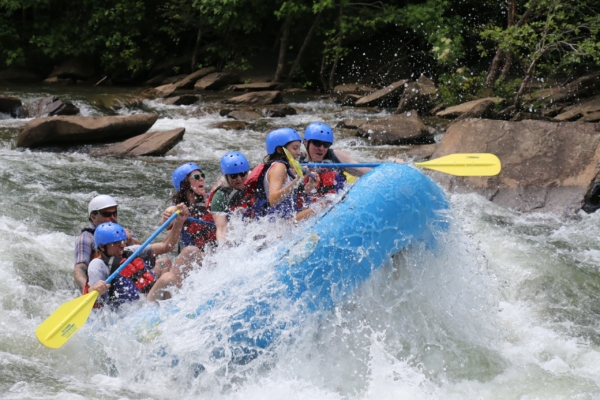
The Ocoee River is legendary for its back-to-back Class III and IV rapids. As you paddle through the Cherokee National Forest, the sheer adrenaline of taking on waves like Humongous or Table Saw is completely unmatched. However, one detail often surprises first-time rafters: the water is remarkably brisk, even in the middle of a sweltering Southern summer.
This brings up one of the most common questions we field here at the outpost: Should you wear a wetsuit for Ocoee rafting?
Proper preparation is the difference between an unforgettable outdoor adventure and shivering through the last three miles of the river canyon. Whether you are tackling the Classic Middle Ocoee or taking on the ultimate 6-hour Full Ocoee River Experience, your personal comfort directly impacts how much fun you have.
In this comprehensive guide, we will break down exactly when a wetsuit is necessary, how the river’s unique hydrology dictates water temperatures, and what you should wear underneath for maximum comfort. We will also cover how Outland Expeditions outfits our guests to ensure a safe, comfortable ride down Tennessee’s greatest whitewater river.
Do You Need to Wear a Wetsuit for Ocoee Rafting?
The short answer is that it depends entirely on the time of year, the daily weather forecast, and your personal tolerance for cold. For the majority of the peak summer rafting season, a wetsuit is not required and will actually make you too hot. However, during the shoulder seasons of spring and early fall, it becomes a crucial piece of safety gear.
The Ocoee River commercial season stretches from the brisk days of early spring through the changing leaves of autumn. During July and August, the intense Tennessee summer heat provides a perfect counterbalance to the cool river water. In these months, most rafters actually welcome the refreshing splash of a Class IV rapid and prefer wearing lightweight, quick-drying athletic gear.
Conversely, if you are booking a trip in May or late September, the air temperature drops significantly. When you combine cloudy skies, a cool breeze funneling through the river gorge, and cold water, a wetsuit is often the best choice. Ultimately, the decision revolves around the “combined temperature” rule used by outdoor recreation professionals. If the air and water temperatures combined equal less than 120 degrees Fahrenheit, thermal protection like a wetsuit is highly recommended.
What Is the Average Ocoee River Water Temperature?
To understand why we even discuss wetsuits in the humid South, you have to understand the river itself. The Ocoee River is a highly regulated, dam-controlled waterway managed by the Tennessee Valley Authority (TVA). The water flowing through the Upper and Middle sections originates deep within Lake Blue Ridge in neighboring Georgia.
Because this water is released from the very bottom of a deep reservoir, it never sees the warming rays of the sun before it hits the riverbed. As a result, the Ocoee River water temperature remains remarkably consistent year-round, hovering tightly between 65°F and 68°F.
While 65 degrees might sound relatively pleasant for the air, water pulls heat away from the human body up to 25 times faster than air does. When a massive hydraulic wave at Hell’s Hole crashes over the front of the raft, it will feel exhilarating, but it will also cool your core temperature instantly. This steady, cool water flow is exactly why outfitting properly is essential, regardless of whether it is an overcast spring morning or a blazing hot August afternoon.
How Does the Time of Year Change Your Whitewater Gear Needs?
Your packing list for a whitewater adventure will shift dramatically depending on the specific month you visit the Cherokee National Forest. Seasonal weather patterns in East Tennessee strictly dictate how you should dress for the river to maintain your body heat.
- Spring Rafting (March through May): Spring trips are known for high energy, beautiful blooming scenery, and highly unpredictable weather. Air temperatures can easily sit in the 50s or 60s during the morning hours. During these months, wearing a wetsuit for Ocoee rafting is almost always a necessity. The combination of cold spring air and 65-degree water can lead to rapid chilling without proper neoprene protection.
- Summer Rafting (June through August): This is the peak rafting season for a reason. Highs frequently reach into the 90s, and the humidity is thick. If you are joining us for the Full Ocoee River Experience during these months, a wetsuit will likely cause you to overheat and become uncomfortable. Instead, you will want breathable, quick-drying athletic wear, plenty of waterproof sunscreen, and a reusable water bottle to stay hydrated.
- Fall Rafting (September and October): As the leaves begin to change in the gorge, the crisp autumn air returns. Fall rafting offers stunning views, but the fading sun in the deep, narrow canyon means you won’t warm up as quickly after getting splashed. Wetsuits make a strong comeback during this season. A splash jacket paired with a wetsuit is often the ideal combination for tackling the rapids comfortably in October.
How Does a Wetsuit Work During a Whitewater Adventure?
There is a common misconception among first-time rafters that a wetsuit is designed to keep you completely dry. In reality, you will get wet—very wet. Wetsuits are named literally, as they are meant to function optimally while entirely saturated with water.
Wetsuits are constructed from neoprene, a synthetic, sponge-like rubber that is filled with millions of tiny nitrogen bubbles. When you wear a snug-fitting wetsuit into the river, a very thin layer of water seeps in between the interior of the suit and your bare skin.
Your natural body heat quickly warms this trapped layer of water. The neoprene material then acts as an insulating barrier, preventing the cold river water on the outside from flushing away the warm water trapped against your skin. For a wetsuit to work properly on the Ocoee River, it must fit tightly. If the suit is too loose, cold water will constantly flush through the arm and leg openings, defeating the entire purpose of the thermal layer.
What Should You Wear Under a Wetsuit for Maximum Comfort?
If the weather dictates that you need a wetsuit for your adventure, knowing exactly what to wear underneath is half the battle. Because the suit needs to fit tightly against your skin to trap heat, bulky clothing is completely out of the question and will ruin the fit of the gear.
The golden rule of outdoor recreation applies heavily here: cotton is rotten. Cotton absorbs massive amounts of water, loses all of its insulating properties when wet, and stays cold against your skin all day. Never wear a cotton t-shirt, cotton underwear, or heavy denim shorts under a wetsuit.
Instead, opt for a standard bathing suit or form-fitting, synthetic athletic wear. Women often find that a seamless one-piece swimsuit or a sports bra and spandex yoga shorts work perfectly. Men typically wear standard swim trunks or synthetic compression shorts. Because the thick neoprene material can sometimes rub against the skin during vigorous paddling, a tight-fitting synthetic rash guard worn underneath can also help prevent unpleasant chafing around the underarms and neck line.
What Are the Alternatives to Wearing a Full Wetsuit?
Not every chilly day on the river requires a full-body neoprene suit. Depending on the exact weather conditions and your personal cold tolerance, there are alternative layers you can utilize to stay warm while navigating the Upper Ocoee’s Olympic course or the Middle Ocoee’s classic drops.
- Splash Jackets: A splash jacket is essentially a specialized waterproof windbreaker designed specifically for paddlers. It features snug gaskets at the wrists and neck to keep the majority of the splashing water out. While it offers no thermal insulation on its own, it blocks the biting wind and stops cold water from constantly soaking your torso.
- Fleece Base Layers: Fleece is made from synthetic polyester fibers that wonderfully retain their ability to trap body heat even when completely saturated with river water. Wearing a thin, athletic fleece sweater beneath a splash jacket is an excellent way to maintain your core body temperature without the restrictive, heavy feeling of a full wetsuit.
- Rash Guards and Neoprene Tops: If you only need a slight boost in warmth on a cloudy summer day, a thick synthetic rash guard or a 1mm neoprene top might be perfectly sufficient. These tops protect your core from cold splashes without restricting the movement of your legs as you brace yourself in the bottom of the raft.
How Does Prolonged Exposure on the Full Ocoee Experience Affect Your Core Temperature?
Most visitors to the Ocoee River choose a single section, which usually entails about two hours on the water. However, if you are booking the Full Ocoee River Experience, you are committing to a massive 10-mile, 20-rapid adventure that spans up to six hours from start to finish.
Prolonged exposure drastically changes the way your body handles cold water. You might feel perfectly fine during the first technical mile of the Upper Ocoee, which was famously built for the 1996 Atlanta Olympics. But by the time you navigate continuous, intense drops like Godzilla and Roach Motel, the cumulative effect of the chilly water can start to quietly lower your core temperature.
Fortunately, the Full Experience includes a highly beneficial built-in restorative break. Between the two river sections, Outland Expeditions provides a full riverside lunch. This gives you ample time to step out of the raft, dry off in the sun, fuel up with great food, and let your body naturally warm up before dropping into the Middle Ocoee for the afternoon session. Managing your body temperature is much easier when you have a dedicated midday break to swap stories and let your core reset.
Will Outland Expeditions Provide Wetsuits for Your Trip?
The logistics of planning a whitewater rafting trip can sometimes feel overwhelming, especially when you are trying to decipher gear requirements for a large family or a corporate team-building group. One of the best parts about rafting with a premium outfitter is that you don’t have to worry about buying expensive technical apparel for a single trip.
When you book the Full Ocoee River Experience, or any of our other trips, there are absolutely no hidden add-ons or exorbitant gear rental fees. Outland Expeditions provides professional-grade paddles, pristine helmets, and Coast Guard-approved personal flotation devices (PFDs) for every single guest.
Most importantly, when the air or water temperatures require them, Outland Expeditions provides clean, thoroughly sanitized, high-quality wetsuits at no extra charge. Our certified Swiftwater Rescue guides closely monitor the weather forecasts and river conditions to make the final call on necessary safety gear. When you return to our outpost in Cleveland, Tennessee, you can immediately peel off your wet gear and enjoy our clean changing rooms, warm showers, and blow dryers to end your day perfectly.
Conclusion
Deciding whether you need a wetsuit for Ocoee rafting ultimately comes down to the season, the daily weather, and how long you plan to be on the river. While the 65-degree, dam-released water remains decidedly cold year-round, the blistering summer heat usually eliminates the need for thermal gear entirely. If you are paddling in the spring or fall, however, a wetsuit is your best friend on the river and a vital piece of safety equipment.
By avoiding cotton, dressing in smart synthetic layers, and trusting the expert advice of your experienced river guides, you are guaranteed to have a comfortable, warm, and thrilling ride. Outland Expeditions is completely dedicated to making sure you have the exact right gear for the right conditions, without ever hiding extra rental fees in the fine print.
Are you ready to tackle 10 miles and over 20 named rapids on Tennessee’s most legendary whitewater river? Contact Outland Expeditions today to book your Full Ocoee River Experience. Let our expert guides handle the logistics, the gear, and the riverside lunch while you focus entirely on the adventure of a lifetime.
Frequently Asked Questions (FAQs)
Can I bring my own wetsuit for Ocoee rafting?
Yes, you are completely welcome to bring your own personal wetsuit if you prefer the custom fit and comfort of your own gear. A 3mm neoprene full suit or “farmer john” sleeveless style is typically ideal for spring and fall conditions on the Ocoee River. However, if you don’t own one, Outland Expeditions provides them at no extra charge when weather conditions necessitate thermal protection.
Do I need to wear a wetsuit in July on the Ocoee River?
No, a wetsuit is generally not needed during the peak summer months of July and August. The hot Tennessee air temperatures, which regularly climb well into the 90s, perfectly balance out the chilly 65-degree river water. Most guests prefer to wear quick-drying athletic clothing, synthetic shorts, and bathing suits during the summer season to avoid overheating.
What is the difference between a wetsuit and a drysuit?
A wetsuit is made of thick neoprene and is designed to deliberately let a thin layer of water enter the suit, which your body then heats up to create insulation. A drysuit is a completely waterproof, baggy garment with tight rubber gaskets at the neck and wrists designed to keep you completely dry. For commercial rafting on the Ocoee River, drysuits are overly bulky and unnecessary, making wetsuits the standard cold-weather gear.
What kind of shoes should I wear with a wetsuit while rafting?
You should wear secure, closed-toe water shoes or old athletic sneakers that you don’t mind getting completely soaked in the river. Flip-flops, Crocs, and sandals without a heel strap are strictly prohibited on the raft because they easily wash away in the strong river current. If it is particularly cold out, you can pair your secure sneakers with thin neoprene socks for added thermal protection.
Are wetsuit rentals included in the price of an Outland Expeditions trip?
Yes, the use of a wetsuit is fully included in the upfront cost of your rafting trip with Outland Expeditions. Unlike some outfitters that charge hidden gear rental fees on the day of your adventure, we supply all necessary safety and thermal gear for free. This includes premium wetsuits, paddles, helmets, and life jackets for every guest.


Leave a Reply
Want to join the discussion?Feel free to contribute!