
What Safety Gear Is Used for Ocoee Rafting?
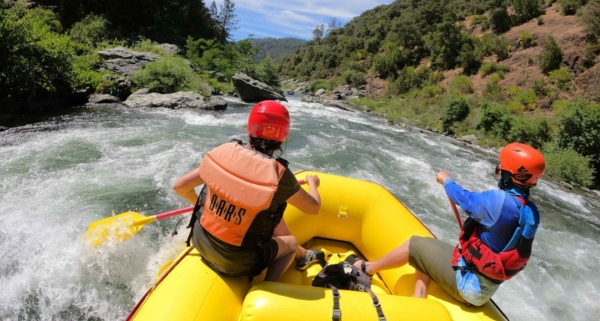
Safety gear forms the foundation of every guided whitewater trip on the Ocoee River. The equipment protects rafters navigating Class III and IV rapids while allowing them to focus on the experience rather than worrying about potential hazards.
Outland Expeditions provides all essential safety gear for every guest on Middle Ocoee, Upper Olympic Ocoee, and Full Ocoee trips. Guides fit each piece of equipment to individual guests before departure, explain proper usage, and conduct safety briefings covering river hazards and emergency procedures.
This guide explains what safety gear is used during Ocoee rafting trips, why each piece matters, how it functions, and what guests should know before arriving.
Essential Safety Gear Provided by Outfitters
Every Ocoee rafting trip requires specific safety equipment that outfitters provide and maintain. This gear protects against impact, keeps rafters buoyant, and enables guides to execute rescue procedures when necessary.
Personal Flotation Device (PFD)
A personal flotation device, commonly called a life jacket, is the most critical piece of safety gear on any whitewater trip.
What It Is
Outfitters use Type III PFDs designed specifically for whitewater rafting. These vests provide buoyancy while allowing freedom of movement needed for paddling and maneuvering. Unlike traditional life jackets, whitewater PFDs feature higher armholes, shorter torsos, and reinforced construction to withstand impact with rocks and rapid turbulence.
Why It Matters
The Ocoee River flows through the Cherokee National Forest at high velocity, creating powerful hydraulics and strong currents. If a guest falls from the raft, the PFD keeps them afloat while guides execute rescue procedures. The device also provides padding during collisions with rocks or other obstacles.
How It Works
PFDs contain closed-cell foam that provides consistent buoyancy regardless of water conditions. Guides adjust straps to ensure each vest fits snugly across the chest and torso without restricting breathing or arm movement. Proper fit prevents the vest from riding up over the wearer’s head when submerged.
Fit Requirements
Outfitters measure guests during check-in to assign appropriately sized PFDs. The vest should feel snug when buckled and zipped, with no more than two inches of upward movement when pulling on the shoulder straps. Loose PFDs compromise safety and can slip off during turbulent water sequences.
Helmet
Helmets protect rafters from head injuries caused by collisions with rocks, paddles, or the raft itself during rapids.
What It Is
Whitewater helmets use hard ABS plastic shells with foam padding inside. The design protects the skull and temples while allowing water to drain through ventilation holes. Unlike bike helmets, whitewater helmets cover more of the head and include chin straps that secure the helmet during turbulent water.
Why It Matters
The Middle Ocoee, Upper Olympic Ocoee, and Full Ocoee trips feature continuous Class III and IV rapids with exposed rocks and sudden drops. Guests often collide with obstacles or other paddlers during technical sections. The helmet absorbs impact force that would otherwise cause concussions or skull fractures.
How It Works
Guides adjust the internal suspension system and chin strap to position the helmet low on the forehead, just above the eyebrows. The helmet should remain in place during vigorous head movement. Foam padding cushions the skull while the rigid shell disperses impact force across a larger surface area.
Common Fit Issues
Many first-time rafters position helmets too high on the head, leaving the forehead exposed. Guides correct this during pre-trip fitting. The helmet should feel secure but not painfully tight. Guests who experience pressure points should request a different size before departure.
Paddle
While primarily a propulsion tool, the paddle serves important safety functions during Ocoee trips.
What It Is
Outfitters provide T-grip paddles with aluminum or fiberglass shafts and plastic blades. The T-grip handle allows single-handed control while the blade length and width are optimized for whitewater maneuvering. Guides carry spare paddles on every trip.
Why It Matters
The paddle helps rafters brace against waves, maintain position in the boat, and assist others who fall into the water. During rescue situations, guides use paddles to reach swimmers and pull them back into the raft. The paddle also allows rafters to push away from rocks and redirect the boat during technical sequences.
How It Works
Guides teach proper paddle grip, stroke technique, and brace positions during the safety briefing. Rafters hold the shaft with both hands, positioning the blade perpendicular to the water surface during strokes. The T-grip prevents the paddle from slipping out of hands during turbulent sections.
Length Selection
Paddle length depends on the rafter’s height and arm span. Guides measure each guest to assign appropriate paddle sizes. A properly sized paddle allows full stroke extension without overreaching or cramped positioning.
Wetsuit (Seasonal)
Wetsuits provide thermal protection when water temperatures drop below comfortable levels, typically during spring and fall trips.
What It Is
Outfitters use neoprene wetsuits ranging from 3mm to 5mm thickness. The suits cover the torso and limbs, trapping a thin layer of water between the neoprene and skin. Body heat warms this layer, creating insulation against cold water.
Why It Matters
Ocoee River water releases from Ocoee Dam and remains cold even during summer months. Prolonged exposure to cold water causes hypothermia, reducing coordination and judgment. Wetsuits maintain core body temperature, allowing guests to enjoy the trip without discomfort or safety risks associated with cold water immersion.
How It Works
Neoprene contains tiny nitrogen bubbles that provide insulation. The suit must fit snugly to minimize water circulation between the neoprene and skin. Guides help guests select appropriately sized wetsuits based on height, weight, and body type.
Seasonal Considerations
Outfitters typically provide wetsuits for trips running from early spring through late spring and again from early fall through the season’s end. Summer trips usually do not require wetsuits unless guests request them. First-time rafters concerned about water temperature should contact Outland Expeditions before their trip to confirm wetsuit availability for their scheduled date.
Additional Safety Equipment on the Raft
Beyond personal gear, each raft carries equipment that guides use for rescue operations and emergency response.
Throw Bag
Throw bags contain 50 to 75 feet of floating rope used to rescue swimmers from the water.
Guides position throw bags at easily accessible points in each raft. During rescue situations, the guide opens the bag, grabs the rope end, and throws the bag to the swimmer. The swimmer grabs the bag or rope while the guide pulls them to safety. The rope floats on the water surface, remaining visible and accessible even in turbulent conditions.
First Aid Kit
Each raft carries a waterproof first aid kit containing supplies to treat common injuries until professional medical help arrives.
Kits include bandages, antiseptic wipes, gauze, medical tape, pain relievers, and supplies for treating cuts, scrapes, and minor burns. Guides receive wilderness first aid training that covers injury assessment, treatment protocols, and evacuation procedures. Outland Expeditions maintains communication equipment to contact emergency services when serious injuries occur.
Spare Equipment
Guides carry backup paddles, spare PFD straps, and helmet replacement parts to address equipment failures during trips.
The Ocoee’s continuous rapids make mid-trip equipment problems more than inconveniences. Broken paddle shafts, torn PFD buckles, or damaged helmet straps can compromise safety. Spare equipment allows guides to make immediate replacements without cutting trips short or compromising guest safety.
What Guests Should Bring
Outfitters provide all required safety gear, but guests should bring specific items that enhance comfort and protection during Ocoee trips.
Footwear
Secure footwear that stays on during rapids is essential for all Ocoee trips.
Recommended Options
Water shoes, old sneakers, or sport sandals with heel straps work well for whitewater rafting. The footwear should have closed toes to protect against rock collisions and feature straps or laces that prevent loss during turbulent water.
What to Avoid
Flip-flops, Crocs, and slip-on shoes fall off during rapids and leave feet vulnerable to injury. Barefoot rafting exposes toes and feet to cuts, scrapes, and bruises from rocks at put-in and take-out points.
Sun Protection
The Ocoee flows through open sections with significant sun exposure during summer months.
Guests should bring reef-safe sunscreen with SPF 30 or higher, applied before departure and reapplied during breaks. Sunglasses with retention straps prevent loss during rapids while protecting eyes from glare. Wide-brimmed hats with chin straps provide additional face and neck protection.
Clothing Layers
Weather conditions in the Cherokee National Forest region can change rapidly. Guests should wear quick-drying synthetic or wool layers rather than cotton, which loses insulation properties when wet and takes hours to dry.
Swimwear forms the base layer for summer trips. Lightweight synthetic shirts provide sun protection and reduce abrasion from the PFD. During cooler periods, guests should bring additional insulating layers to wear under provided wetsuits.
Eye Protection Retention
Guests who wear prescription glasses should use retention straps or switch to contact lenses for the trip. Standard eyeglasses fall off during rapids and are nearly impossible to recover.
Safety Briefing and Gear Fitting Process
Before every Ocoee trip, guides conduct comprehensive safety briefings that cover equipment usage, rescue procedures, and river hazards.
Pre-Trip Check-In
Guests check in at the Outland Expeditions facility in Cleveland, Tennessee, where staff collect waivers, assign raft groups, and begin the equipment fitting process. Staff members measure guests for PFDs, helmets, wetsuits (when applicable), and paddles during this phase.
Equipment Distribution
After measuring, staff distribute safety gear and help guests adjust straps and buckles for proper fit. This process includes PFD tightening, helmet adjustment, and wetsuit fitting when conditions require thermal protection.
Safety Briefing Components
Guides gather trip participants to explain:
Paddle Commands
Guides teach the specific paddle commands used during trips: forward, back, right turn, left turn, and stop. Understanding and executing these commands quickly allows the group to navigate technical rapids safely.
Swimming Position
If a guest falls from the raft, they should assume the defensive swimming position: feet downstream, toes above water surface, back slightly reclined. This position protects against foot entrapment while allowing swimmers to see downstream obstacles and navigate toward calm water or rescue.
Self-Rescue Techniques
Guides explain how to grab the safety rope running along the raft’s perimeter, how to position the body for re-entry, and when to swim toward shore instead of attempting to reach the raft.
River Hazards
The briefing covers specific hazards present on the scheduled trip section: undercut rocks, hydraulics, strainers (trees or branches in the water), and low-head dams. Guides explain how to recognize and avoid these hazards.
Practice Session
Before entering the river, groups practice paddle strokes, commands, and high-side techniques (moving body weight to prevent raft flips) on shore or in calm water. This practice session allows guests to ask questions and develop coordination before encountering rapids.
Understanding Rapids and Risk on the Ocoee
The Ocoee River features Class III and IV rapids that create exciting but manageable challenges for first-time rafters when proper safety gear and procedures are followed.
Class III Rapids
Class III rapids feature irregular waves, strong eddies, and narrow passages that require precise maneuvering. Guests on Middle Ocoee trips encounter continuous Class III sections where safety gear protects against collisions with rocks and other obstacles during technical turns.
Class IV Rapids
The Upper Olympic Ocoee section includes Class IV rapids with powerful hydraulics, large standing waves, and technical features requiring advanced navigation. The 1996 Olympic whitewater course runs through this section, featuring drops and technical sequences that showcase the importance of properly fitted safety equipment.
Risk Management Approach
Outland Expeditions manages risk through:
Equipment Standards
All safety gear meets U.S. Coast Guard requirements and industry standards set by American Whitewater and the Professional Paddlesports Association. Outfitters replace worn equipment before it fails and maintain detailed inspection records.
Guide Training
Guides complete swift water rescue certification, wilderness first aid training, and extensive river time before leading trips independently. Experienced guides recognize developing hazards, execute rescue procedures efficiently, and make real-time decisions that prioritize guest safety.
River Monitoring
Outfitters monitor river flow rates, weather conditions, and water releases from Ocoee Dam. When conditions exceed safe parameters for recreational rafting, trips are rescheduled or canceled.
Age and Physical Requirements
Ocoee rafting trips accept guests ages 12 and older who meet basic physical requirements.
Minimum Age Justification
The 12-year minimum age exists because younger children may lack the upper body strength needed to execute paddle commands quickly, the judgment required to follow safety instructions during emergencies, and the emotional maturity to remain calm during unexpected situations like falling from the raft.
Physical Fitness Considerations
Guests do not need exceptional fitness for Ocoee trips, but should be capable of:
- Holding and using a paddle for 2 to 4 hours (depending on trip section)
- Following verbal commands quickly during rapids
- Swimming short distances in moving water while wearing a PFD
- Pulling themselves back into the raft with assistance
- Sitting in a stable position for extended periods
Guests with concerns about physical limitations should contact Outland Expeditions before booking to discuss whether rafting is appropriate for their situation.
Gear Maintenance and Replacement Protocols
Outfitters follow strict maintenance schedules to ensure safety gear functions properly during every trip.
Inspection Cycles
Staff inspect PFDs, helmets, and wetsuits after every trip, checking for tears, broken buckles, compressed foam, and structural damage. Equipment showing wear beyond acceptable limits is removed from rotation immediately.
Replacement Standards
Outfitters replace safety gear based on manufacturer recommendations, visible wear, and foam compression measurements. PFDs typically remain in service for two to three seasons depending on usage frequency. Helmets are replaced after significant impacts even when visible damage is not apparent, as the foam loses protective capacity after absorbing force.
Cleaning Procedures
After each trip, staff rinse all safety gear with fresh water to remove river sediment and organic material. PFDs and wetsuits are dried in ventilated areas to prevent mold growth and material degradation. This maintenance extends equipment lifespan while ensuring hygiene for subsequent users.
What Happens During Emergencies
Despite comprehensive safety measures, emergencies occasionally occur on whitewater trips. Understanding emergency procedures helps guests respond appropriately.
Swimmer Rescue
When a guest falls from the raft:
- The guide calls “swimmer” to alert other rafts
- The guide deploys the throw bag or maneuvers the raft to the swimmer
- Other paddlers execute commands to position the raft for pickup
- The swimmer grabs the rope, paddle, or raft perimeter line
- Paddlers pull the swimmer aboard or tow them to calm water
This sequence typically takes 30 to 60 seconds in normal conditions.
Medical Emergencies
For injuries requiring medical attention:
- The guide assesses injury severity and provides first aid
- The guide radios for assistance using emergency communication equipment
- The group exits the river at the nearest access point
- Emergency medical services meet the group at the designated location
Outland Expeditions maintains relationships with local emergency services and communicates trip schedules daily to facilitate rapid response when needed.
Equipment Failure
When safety gear fails during a trip:
- The guide signals other rafts and moves to calm water
- Spare equipment is distributed from the backup supply
- The guide re-fits the replacement gear and confirms proper function
- The trip continues when all guests have functional equipment
Guides carry sufficient backup equipment to address multiple failures without ending trips prematurely.
Comparing Ocoee Sections by Safety Considerations
The three Ocoee trip options differ in intensity, duration, and safety requirements.
Middle Ocoee Safety Profile
The Middle Ocoee features continuous Class III rapids with occasional Class IV sections. This section serves first-time rafters, families with older kids, and groups seeking exciting whitewater without the sustained intensity of the Upper Olympic section. Safety gear requirements are identical across all sections, but the Middle Ocoee’s more forgiving rapid structure allows guests time to recover between technical features.
Upper Olympic Ocoee Safety Profile
The Upper Olympic Ocoee includes the 1996 Olympic whitewater course with technical Class IV rapids featuring larger hydraulics and more complex navigation. This section requires guests to execute paddle commands precisely and respond quickly to changing conditions. The same safety gear protects guests, but the rapid succession of technical features means guests have less recovery time between challenges.
Full Ocoee Safety Profile
The Full Ocoee combines both sections into one extended trip. Guests experience the continuous action of the Middle Ocoee followed by the technical features of the Upper Olympic section. The longer time on the water increases sun exposure, requires sustained physical effort, and demands greater endurance. Guests should bring additional sun protection and hydration for Full Ocoee trips.
Common Safety Gear Questions
Do I need to bring my own gear?
No. Outland Expeditions provides all required safety equipment including PFDs, helmets, paddles, and wetsuits. Guests only need to bring appropriate footwear, sun protection, and clothing layers.
Can I use my own PFD or helmet?
Outfitters typically require guests to use provided safety gear to ensure equipment meets current standards and has been properly maintained. Guests with specialized equipment should contact Outland Expeditions before their trip to discuss whether personal gear is acceptable.
What if the safety gear doesn’t fit?
Outfitters carry extensive size ranges to accommodate most body types. During check-in, staff work with each guest to find properly fitting equipment. Guests who are concerned about fit should contact Outland Expeditions when booking to confirm size availability.
Is a wetsuit always provided?
Wetsuits are provided seasonally based on water temperature. Spring and fall trips typically include wetsuits due to colder water released from Ocoee Dam. Summer trips usually do not require wetsuits unless guests request them for additional comfort.
What happens if I lose my glasses during the trip?
Prescription glasses frequently fall off during rapids. Guests should use retention straps, switch to contact lenses, or prepare to complete the trip without corrective lenses. Guides cannot stop to search for lost glasses in moving water.
Preparing for Your Ocoee Trip
Understanding what safety gear is used and why it matters allows guests to arrive prepared and focus on enjoying their Ocoee River experience.
Review the gear list provided by Outland Expeditions during booking confirmation. Bring appropriate footwear that will stay on during rapids, sun protection rated for water sports, and quick-drying clothing layers. Arrive at the Cleveland, Tennessee facility with enough time for equipment fitting and the safety briefing before departure.
The safety gear, experienced guides, and comprehensive procedures combine to create an environment where guests can challenge themselves on Class III and IV whitewater while managing risk appropriately. Whether choosing the Middle Ocoee, Upper Olympic Ocoee, or Full Ocoee trip, the same attention to safety equipment and protocols applies across all sections flowing through the Cherokee National Forest.


Leave a Reply
Want to join the discussion?Feel free to contribute!